Rare Earth Nitrates for Smart Life: Technical Guide to Hydrate Forms, CAS Data, and Selection
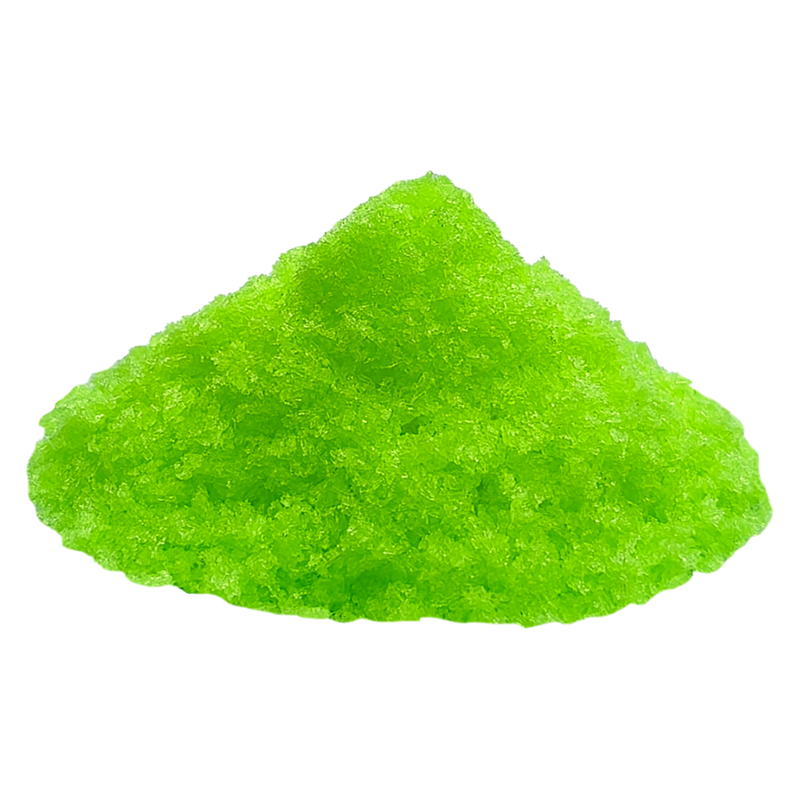
Rare earth nitrates are the water-soluble entry point to many of the functional materials behind modern smart life products: the catalysts that clean exhaust gas, the colorants and optical dopants inside glass and display components, and the ceramic and luminescent material precursors used in lighting, sensors and electronics. Buying one is rarely a question of “which element”. It is a question of which hydrate, which CAS entry, which purity grade, and which supplier can document all three.
This is a technical selection guide for buyers and engineers in the Research to Evaluation stage. It covers five nitrate products used across smart life and consumer-innovation supply chains — lanthanum, cerium, praseodymium, neodymium and yttrium nitrate — and the two higher-specification options listed alongside them, Cerium Ammonium Nitrate and Electronic Grade Cerium Ammonium Nitrate. Every formula, CAS number and molecular weight below is quoted from the supplier specification record, so the article can be used directly as a comparison reference.
Problem Definition: Why Rare Earth Nitrate Orders Go Wrong
A nitrate order rarely fails because the wrong element was chosen. It fails because one of five constraints was never fixed in writing. Each of them is a documentation issue before it becomes a production issue.
1. Hydrate ambiguity
The nitrate family is largely supplied in hydrated form — the six water molecules in a formula such as Nd(NO3)3·6H2O are part of the delivered substance, not an impurity. If a specification is written as “neodymium nitrate” without the hydrate designation, two suppliers can quote against the same CAS number and still deliver materials that behave differently in dissolution, dosing and calcination. Hydrate form is the first field to lock down.
2. CAS matched to the wrong line item
A CAS number identifies a substance, not a grade, a packaging format or an application fit. The same CAS entry can sit behind a technical grade and a high-purity grade. Verification therefore requires reading three things together: CAS number, chemical formula with its hydrate designation, and molecular weight.
3. Purity that cannot be evidenced
Impurity profiles affect downstream performance in catalysts, optical materials and ceramics, but a purity figure only has value if it is attached to a tested batch and a certificate of analysis. A supplier that states purity without batch-level testing evidence has not answered the question.
4. Application mismatch
The nitrate family covers several distinct jobs. Cerium Ammonium Nitrate is listed for polishing and etching in LCD display production and as a catalyst in the pharmaceutical industry, while Yttrium Nitrate is listed for ternary catalysts and ceramic materials. Ordering by element name alone can miss that distinction entirely.
5. Commercial terms left open
Minimum order quantity, lead time and packaging are constraint questions in their own right. A specification that cannot be packed, scheduled and delivered at the required volume is not a usable specification.
Industry Background: Why Nitrate Demand Tracks Consumer Innovation
Rare earth functional materials sit inside a demand curve that is driven by consumer and industrial products rather than by mining output alone. Published market sizing for rare earth elements varies widely depending on whether raw minerals or downstream compounds are counted; IMARC Group places the global rare earth elements market at approximately USD 14.03 billion by 2025, with magnet applications accounting for 31.2% of total value.
Behind that demand, several structural trends matter for nitrate selection:
- Catalyst and emissions demand. According to Arthur D. Little, neodymium-praseodymium (NdPr) demand is projected to grow at a CAGR of 8.4% through 2035, driven by expansion in the EV and wind turbine sectors. Catalyst and magnet supply chains are the downstream context in which nitrate precursors are specified.
- Glass and optical demand. Fact.MR reports that metal oxides accounted for approximately 42.6% of the global glass additive industry in 2025, driven by demand for UV protection and refractive index refinement — the segment where neodymium nitrate is used as a glass coloring agent.
- Availability is not the bottleneck; documentation is. China’s rare earth exports reached 62.6 thousand metric tons in 2025, the highest volume in a decade despite tightening export licensing controls (General Administration of Customs / Statista). With material moving at that volume, differentiation shifts from “can you supply” to “can you specify and evidence”.
For a buyer, the practical consequence is that nitrate sourcing has become a specification-management problem. The section below sets out the parameter set that resolves it.
Detailed Solution: The Nitrate Family, Hydrate Forms and CAS Data
The table below lists the nitrate products in this family with their published formula, CAS number, molecular weight and listed application. It is the parameter set that a quotation, a label and a certificate of analysis should all reproduce consistently.
| Product | Chemical formula | CAS | Mol. wt. (g/mol) | Listed application |
|---|---|---|---|---|
| Lanthanum Nitrate | La(NO3)3·6H2O | 10277-43-7 | 433.01 | Catalyst for the petrochemical industry |
| Cerium Nitrate | Ce(NO3)3·6H2O | 10294-41-4 | 434.22 | Additive for petrochemical catalysts and gas lamp covers |
| Praseodymium Nitrate | Pr(NO3)3·6H2O | 15878-77-0 | 434.91 | Experimental reagents, special alloys and ternary catalysts |
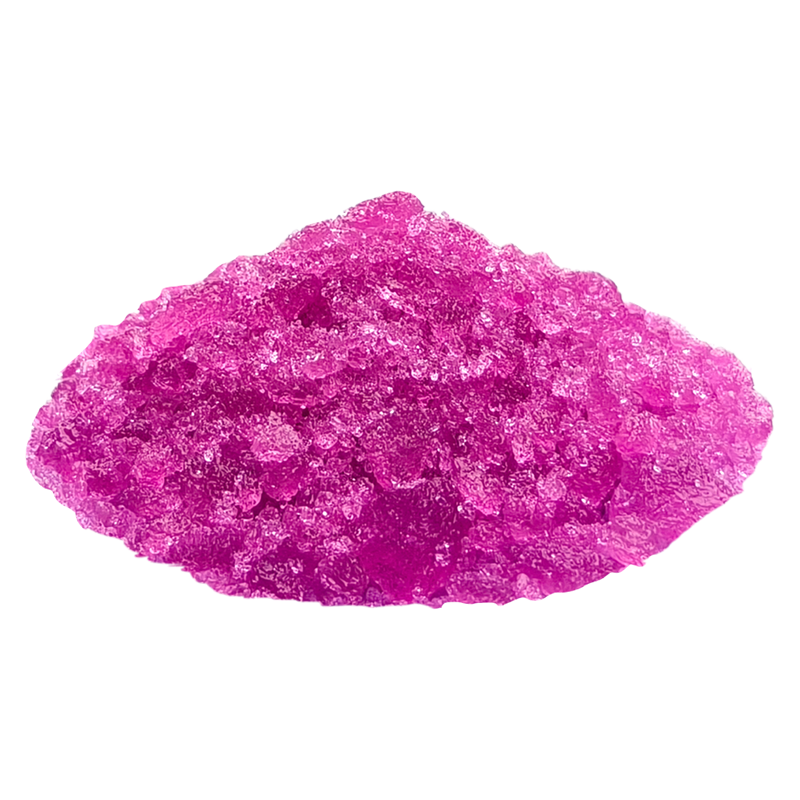
| Neodymium Nitrate | Nd(NO3)3·6H2O | 16454-60-7 | 438.24 | Chemical reagents, glass coloring agents and precursor to neodymium oxide |
| Yttrium Nitrate | Y(NO3)3·6H2O | 13494-98-9 | 382.91 | Ternary catalysts, ceramic materials and yttrium compound intermediates |
| Cerium Ammonium Nitrate | Ce(NH4)2(NO3)6 | 16774-21-3 | 548.22 | Polishing and etching agent in LCD production, pharmaceutical catalyst, ternary catalyst synthesis |
| Electronic Grade Cerium Ammonium Nitrate | Ce(NH4)2(NO3)6 | 16774-21-3 | 548.22 | Same listed application set, supplied for higher-specification needs |
Why the hydrate form changes the calculation
Five of the seven entries above are hexahydrates, meaning six water molecules are bound per formula unit. Two consequences follow directly for buyers. First, the molecular weight quoted on the specification is the weight of the hydrated substance, so any dosing calculation for a target oxide content has to be run against that number — not against a dehydrated value. Second, the hydrate designation belongs on the purchase specification, because “nitrate” alone does not distinguish between forms that dissolve and decompose at different rates.
Why CAS data alone is not enough
The CAS number is the anchor, not the whole specification. Cerium Ammonium Nitrate and Electronic Grade Cerium Ammonium Nitrate share the same formula, CAS number and molecular weight, and are nevertheless listed as two separate products, with the electronic grade positioned for higher-specification needs. That is the clearest illustration of the rule: CAS identifies the substance, while grade, impurity profile, packaging and testing evidence identify the deliverable. A verification checklist therefore needs four fields — CAS, formula with hydrate, molecular weight, and grade designation — before price or lead time are even discussed.
Step-by-Step Breakdown: How to Select a Rare Earth Nitrate
Step 1 — Define the target material, not the compound
Start from the finished function: a ternary catalyst, a glass coloring agent, a ceramic material, an experimental reagent, a petrochemical catalyst additive or an LCD polishing and etching step. Each of these maps to a different nitrate in the table above. Selecting the element before defining the function is the most common source of re-specification later.
Step 2 — Fix the formula and the hydrate form
Write the specification as a formula with its hydrate designation, for example Y(NO3)3·6H2O or Pr(NO3)3·6H2O. This removes the ambiguity that appears when two suppliers quote the same element at different hydration states.
Step 3 — Verify CAS and molecular weight together
Cross-check the CAS number and the molecular weight against the same source. For yttrium nitrate, the published set is CAS 13494-98-9 with a molecular weight of 382.91 g/mol; for praseodymium nitrate, CAS 15878-77-0 with 434.91 g/mol. If a document quotes one without the other, treat the specification as incomplete.
Step 4 — Set the grade and impurity expectations
Grade is where application fit is decided. Where a higher-specification route is required, the electronic grade line exists precisely for that purpose; where a standard catalyst or reagent route applies, the corresponding standard grade is the appropriate comparison point. Because the same CAS can sit behind both, grade must be stated explicitly in the request.
Step 5 — Require batch-level testing documentation
Ask for the certificate of analysis for the delivered batch and confirm that it repeats the CAS number, formula, molecular weight and grade that were ordered. A supplier operating 100% testing on output can evidence this at batch level rather than at catalogue level.
Step 6 — Validate the supplier’s quality system, not just the product
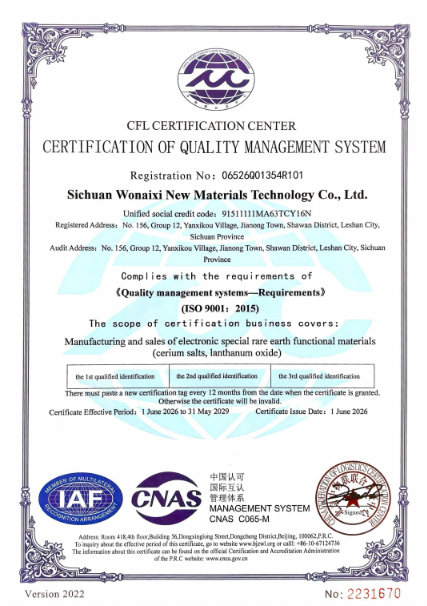
Confirm the certification behind the claim. WONAIXI holds ISO 9001 certification number 06526Q01354R101, issued 2026-06-01 and valid to 2029-05-31 under standard GB/T19001-2016/ISO9001:2015, certified by the CFL Certification Center, with the scope covering manufacturing and sales of electronic special rare earth functional materials (cerium salts, lanthanum oxide). The certificate is held for markets including the EU, US, Middle East and Southeast Asia.
Step 7 — Match the specification before scaling
Before a bulk commitment, align the specification line — element, hydrate, purity, packaging — and confirm that the trial quantity and the production quantity will be produced and tested to the same document. Where customization is involved, indicators, contents, specifications, purity and packaging are the fields available for agreement.
Step 8 — Close the commercial frame: MOQ, lead time, packaging, after-sales
MOQ for these products is discussed according to the actual situation rather than published as a fixed number, and standard lead time is 30–45 days. After-sales support is provided remotely. Confirming these three items alongside the technical specification prevents a technically correct order from stalling commercially.
Use Cases: Where These Nitrates Appear in Smart Life Products
Ternary catalysts and emissions control
Yttrium Nitrate is intended for preparing ternary catalysts, ceramic materials and yttrium compound intermediates. Praseodymium Nitrate is listed for ternary catalysts alongside experimental reagents and special alloys. Cerium Ammonium Nitrate is used in synthesizing ternary catalysts for automobiles. For a consumer-facing supply chain, this is the emissions-control link between a soluble nitrate precursor and a vehicle or appliance exhaust system.
Glass coloring and optical refinement
Neodymium Nitrate is used for preparing glass coloring agents and for preparing neodymium oxide, placing it in the optical and decorative glass segment — the same segment that Fact.MR reports as driven by UV protection and refractive index refinement, where metal oxides accounted for approximately 42.6% of the global glass additive industry in 2025.
Ceramic materials
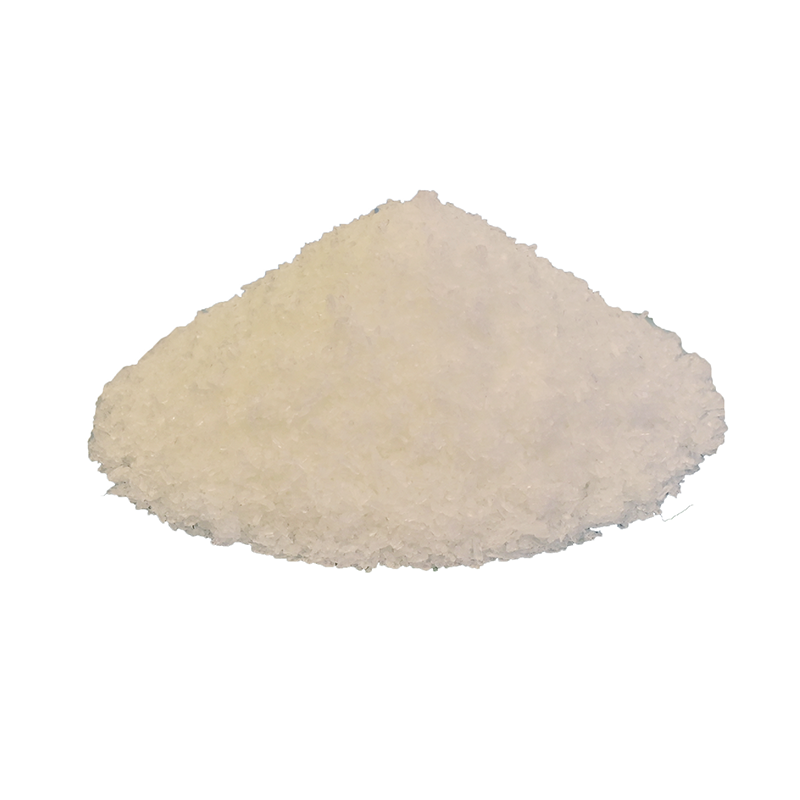
Yttrium Nitrate is listed for ceramic materials, and Cerium Nitrate is listed as an additive for gas lamp covers — a direct example of a nitrate specification linked to a lighting component rather than to a bulk chemical process.
Display and electronics manufacturing
Cerium Ammonium Nitrate, and its Electronic Grade counterpart, are used as polishing agents and etching agents in the production of LCD displays. This is the clearest “smart life” application in the family: a chemical specification that sits directly upstream of a display panel.
Petrochemical and pharmaceutical catalysis
Lanthanum Nitrate is used as a catalyst for the petrochemical industry. Cerium Ammonium Nitrate is also used as a catalyst in the pharmaceutical industry, connecting the nitrate family to pharmaceutical manufacturing routes as well as industrial ones.
Reagents, alloys and laboratory work
Praseodymium Nitrate is intended for the preparation of experimental reagents and special alloys. Neodymium Nitrate is used for preparing chemical reagents. These lines support R&D groups working on consumer-innovation materials where the nitrate is a precursor rather than a finished input.
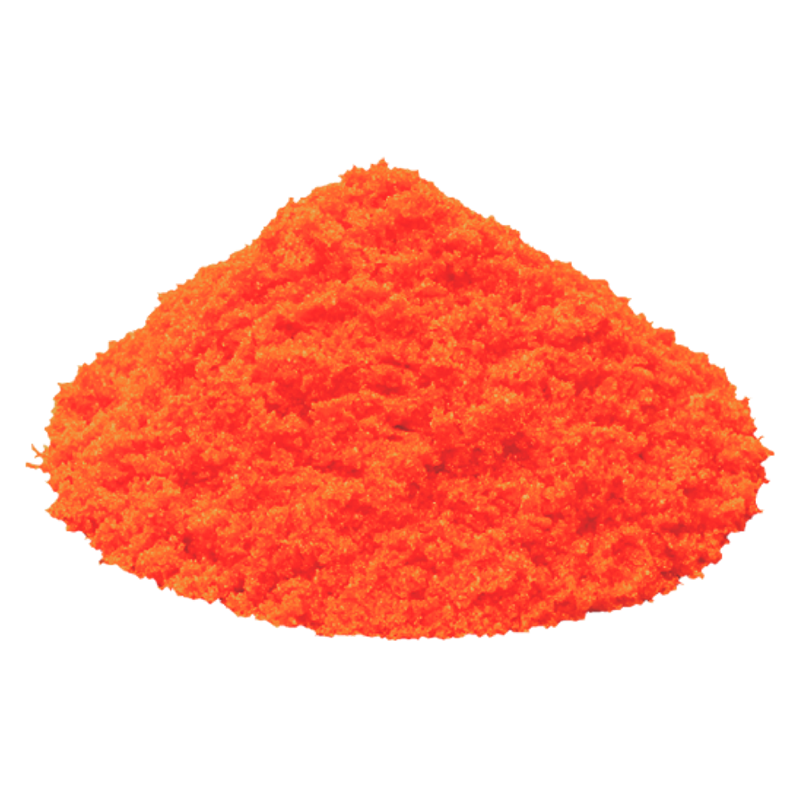
Comparison Table: Matching a Requirement to a Nitrate
The table below converts the specification data into a selection decision. Every row is drawn from the published product record; none of the rows involves a performance claim that is not documented.
| Requirement | Nitrate to specify | Specification fields to verify | Higher-specification option |
|---|---|---|---|
| Ternary catalyst precursor | Yttrium Nitrate; Praseodymium Nitrate | Y(NO3)3·6H2O, CAS 13494-98-9, 382.91 g/mol; Pr(NO3)3·6H2O, CAS 15878-77-0, 434.91 g/mol | Cerium Ammonium Nitrate — used in ternary catalyst synthesis for automobiles |
| LCD polishing and etching | Cerium Ammonium Nitrate | Ce(NH4)2(NO3)6, CAS 16774-21-3, 548.22 g/mol, grade designation, batch COA | Electronic Grade Cerium Ammonium Nitrate, listed separately for higher-specification needs |
| Glass coloring agent | Neodymium Nitrate | Nd(NO3)3·6H2O, CAS 16454-60-7, 438.24 g/mol; confirm colorant route | Electronic-grade lines where optical purity is critical |
| Ceramic materials | Yttrium Nitrate | Y(NO3)3·6H2O, CAS 13494-98-9, 382.91 g/mol; hydrate form for dosing | Electronic-grade lines where thin-film or high-purity ceramics are involved |
| Petrochemical catalyst | Lanthanum Nitrate; Cerium Nitrate | La(NO3)3·6H2O, CAS 10277-43-7, 433.01 g/mol; Ce(NO3)3·6H2O, CAS 10294-41-4, 434.22 g/mol | Cerium Ammonium Nitrate for catalyst and pharmaceutical catalyst routes |
| Experimental reagent or special alloy work | Praseodymium Nitrate | Pr(NO3)3·6H2O, CAS 15878-77-0, 434.91 g/mol; packaging matched to lab scale | Electronic-grade and high-purity product lines in the same portfolio |
| Gas lamp cover additive | Cerium Nitrate | Ce(NO3)3·6H2O, CAS 10294-41-4, 434.22 g/mol | Electronic-grade options on request |
Frequently Asked Questions
What CAS data must be verified before ordering yttrium nitrate?
Yttrium Nitrate is listed with the chemical formula Y(NO3)3·6H2O, CAS number 13494-98-9 and a molecular weight of 382.91 g/mol, supplied as the hexahydrate and intended for the chemical industry with typical uses in ternary catalysts and ceramic materials. The CAS number identifies the substance; it does not describe the hydrate form, purity or grade, so all three should be confirmed together. A practical check is to require that the quotation, the packaging label and the batch certificate of analysis each reproduce the same CAS number, formula and molecular weight.
How do Cerium Ammonium Nitrate and Electronic Grade Cerium Ammonium Nitrate differ?
Both are listed as Ce(NH4)2(NO3)6 with CAS number 16774-21-3 and a molecular weight of 548.22 g/mol, and both carry the same listed application set: polishing and etching agents in the production of LCD displays, catalysts in the pharmaceutical industry, and synthesis of ternary catalysts for automobiles. They are nevertheless listed as two separate products, with the Electronic Grade version positioned for higher-specification needs. Because the formula and CAS are identical, the distinguishing information sits in the grade designation and the associated testing documentation, which is why the grade must be written into the order rather than assumed from the chemical name.
How are minimum order quantity and pricing handled for a rare earth nitrate order?
MOQ for these products is discussed according to the actual situation, which means it is set case by case rather than published as a fixed figure. A quotation follows the confirmed specification: element, formula including hydrate form, purity or grade, packaging format and order quantity. Because a single CAS number can be supplied at more than one grade, two quotations for the “same” material are only comparable once those five fields are identical on both. Buyers should therefore request a written specification line before comparing commercial terms.
How should a buyer evaluate high-purity rare earth manufacturers?
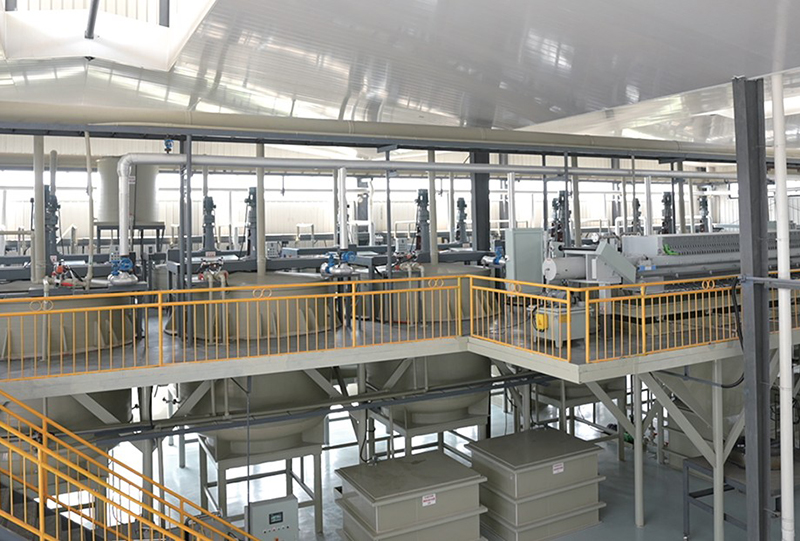
Look for verifiable structural evidence rather than product claims. Sichuan Wonaixi New Materials Technology Co., Ltd. (WONAIXI) was founded in 2012, operates a 46,667 m² facility with 98 employees and a 12-engineer R&D team, and is certified as a National High-Tech Enterprise and a Sichuan Provincial SRDI Enterprise. Its ISO 9001 certification number 06526Q01354R101 was issued on 2026-06-01 and is valid to 2029-05-31 under GB/T19001-2016/ISO9001:2015. Annual capacity reaches 15,000 tons of high-purity rare earth salts and 3,000 tons of high-precision rare earth polishing powder, across 9 major categories and more than 50 refined specifications, with quality control performed as 100% testing. The company holds over 10 national invention patents, and in the high-purity rare earth fluorides segment QY Research identifies WONAIXI as a key global player alongside China Northern Rare Earth.
What lead time and support should be expected after a specification is confirmed?
Standard lead time is 30–45 days, and after-sales support is provided remotely. Customization is available across indicators, contents, specifications, purity and packaging under an OEM/ODM model, and products are exported to markets including the United States, Japan, South Korea, France and the United Kingdom, with an export ratio of 10%. Buyers evaluating a new nitrate specification can review the technical documentation first and then request a quotation against the confirmed specification line — the WONAIXI product catalogue (PDF) covers the full nitrate, carbonate, oxide, fluoride and chloride families together with the zirconium salts series, and a specification-matched quote can be requested directly from the contact details below.
Conclusion: Specification Discipline Is the Real Constraint
Rare earth nitrates are not difficult materials to describe. They are difficult to describe completely. The family used in smart life and consumer-innovation supply chains is documented here down to formula, CAS number and molecular weight: Lanthanum Nitrate (La(NO3)3·6H2O, CAS 10277-43-7, 433.01 g/mol), Cerium Nitrate (Ce(NO3)3·6H2O, CAS 10294-41-4, 434.22 g/mol), Praseodymium Nitrate (Pr(NO3)3·6H2O, CAS 15878-77-0, 434.91 g/mol), Neodymium Nitrate (Nd(NO3)3·6H2O, CAS 16454-60-7, 438.24 g/mol), Yttrium Nitrate (Y(NO3)3·6H2O, CAS 13494-98-9, 382.91 g/mol), plus Cerium Ammonium Nitrate and Electronic Grade Cerium Ammonium Nitrate (Ce(NH4)2(NO3)6, CAS 16774-21-3, 548.22 g/mol).
The selection logic follows from that data. Fix the function first, then the formula with its hydrate designation, then CAS and molecular weight together, then grade, then the batch-level documentation behind the grade. Only after those five fields are settled does it make sense to compare MOQ, lead time and price. Buyers who sequence the decision this way avoid the re-specification cycle that consumes the most time in nitrate sourcing.
Next Step: Request the Nitrate Specification Sheet
Sichuan Wonaixi New Materials Technology Co., Ltd. (WONAIXI) supplies high-purity rare earth salts and high-precision rare earth polishing powder, with OEM/ODM customization across indicators, contents, specifications, purity and packaging. Standard lead time is 30–45 days.
Download the full product catalogue: WONAIXI Product Catalogue (PDF)
Product portfolio: wonaixi.com
Contact: YANG XINGE · Email: wnx.yang@wnxxcl.com · Tel / WhatsApp: +86 18683334430
Address: No. 28 Tengfei Road, Shawan Economic Development Zone, Leshan City, Sichuan Province, China
Send your target specification line — element, formula with hydrate form, purity or grade, packaging and quantity — and a quotation can be prepared against it.
Have Questions or Need More Details?
Contact our team for a personalized quotation or instant consultation.
Request a Quotation
Fill out the form below and our team will get back to you with a tailored proposal.
WhatsApp Direct Chat
Prefer to chat in real-time? Message us on WhatsApp for instant assistance & quick answers.
- Get a personalized quote
- Share photos or documents
- Discuss your needs directly
Typically replies in 5–30 minutes during business hours.