
Cerium Compound Selection for Biotech & Medical Innovation
Cerium Compound Selection for Biotech & Medical Innovation
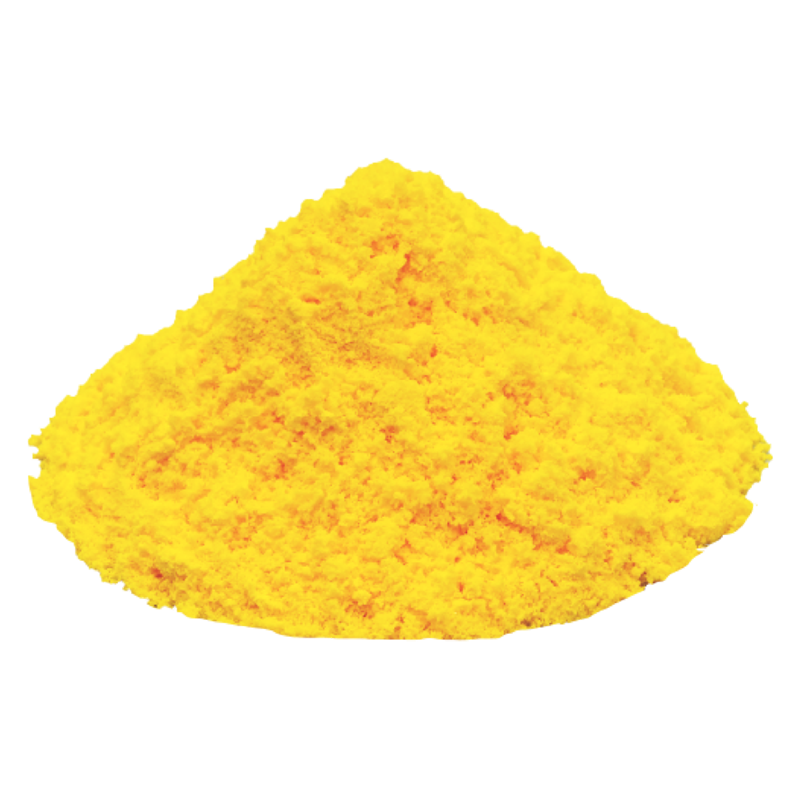
Ceric sulfate (cerium(IV) sulfate tetrahydrate, CAS 10294-42-5) - a tetravalent cerium compound documented mainly as an oxidant and titration reagent. Image: WONAIXI.
Cerium reaches biotech and medical buyers as two chemically different families of compounds, and that difference decides whether a reagent, precursor or process chemistry performs as intended. Trivalent Ce(III) salts and tetravalent Ce(IV) salts share the same element but not the same solubility, redox behaviour, hazard classification or acceptance criteria. A purchase specification that names only "cerium" is the most common source of rework in rare earth reagent sourcing.
This technical guide sets out the parameters that procurement managers, R&D engineers and quality teams should fix, in order, when selecting cerium-based rare earth compounds for biotech and medical innovation: oxidation state first, then solubility and medium compatibility, particle size and morphology, purity and trace control, and finally commercial, acceptance and storage terms. It is written to be used alongside individual product data sheets for each cerium salt, and it is part of WONAIXI's rare earth compound technical library.
Why "Cerium Compound" Is Not a Complete Specification
A cerium purchase specification usually fails for one of five reasons: the oxidation state is left open, solubility in the intended medium is assumed rather than stated, particle size distribution is not defined, trace impurities such as chloride are not limited, or the acceptance test is not agreed before shipment. Each of these gaps produces a material that is chemically "cerium" but functionally different from what the process requires.
- Valence ambiguity. A specification that reads only "cerium nitrate" or "cerium sulfate" does not distinguish cerium(III) nitrate hexahydrate from cerium(IV) ammonium nitrate, or cerous sulfate from ceric sulfate. The two are not interchangeable: one is a comparatively stable trivalent salt, the other is an oxidising compound that behaves as an acidic titration reagent.
- Solubility assumptions. Nitrate, chloride and acetate forms of Ce(III) are the solution-ready forms, while carbonate, hydroxide and oxide forms are solids that behave very differently in a buffer, an aqueous stream or a high-temperature process. A specification that omits the dissolution medium will produce inconsistent bench results.
- Undefined particle size. Cerium carbonate, cerium oxide and cerium hydroxide are supplied as powders, and particle size and morphology control settling, filtration, dusting and the rate at which cerium becomes available in a process stream.
- Uncontrolled trace chemistry. Chloride content matters in chloride-sensitive systems, which is why a dedicated low-chloride carbonate grade exists alongside standard and high-purity carbonate grades.
- No acceptance definition. Without an agreed acceptance criterion, disputes about conformity are resolved after delivery rather than before it.
The practical answer is to treat the cerium compound as a multi-parameter material, not a catalogue line item. Parameter order matters, because oxidation state constrains everything downstream - including the hazard classification a plant must plan for.
Industry Background: Cerium in the Biotech and Medical Supply Chain
Cerium sits inside a rare earth market whose scale is measurable but whose published figures vary by methodology. Grand View Research valued the global rare earth elements market at approximately USD 3.95 billion in 2024 and projected USD 6.28 billion by 2030. Other analysts publish substantially higher estimates depending on whether mining value or processed-material value is counted, so market size should be read as an order-of-magnitude signal rather than a precise procurement benchmark.
Supply-side data is more concrete. China's rare-earth exports reached 62.6 thousand metric tons in 2025, a rebound from 55.4 thousand metric tons in 2024, according to Statista and China Customs data - a useful indicator of availability for imported grades.
On the application side, cerium-based reagent demand is concentrated in a small number of specification-driven niches. Persistence Market Research valued the global ceric ammonium nitrate (CAN) market at USD 162 million in 2023 and projected growth at a CAGR of 7.8% to USD 274 million by 2030, with the compound used as a reagent in biotech and as a chrome etchant in electronics. IMARC Group identifies high-purity electronic grade ceric ammonium nitrate as a primary material for producing photomasks and LCDs, with Asia Pacific the fastest-growing region for these compounds.
Medical imaging is the most visible rare earth application in clinical practice, and it is worth stating precisely: the contrast agents used in MRI are gadolinium-based. Mordor Intelligence and clinical adoption literature indicate that gadolinium-based contrast agents are used in roughly 38-42% of the 135 million MRI procedures performed annually worldwide as of 2024. That adoption pattern is what makes rare earth purity and trace control a clinical-adjacent supply question, even though cerium itself serves a different role - mainly as a reagent, precursor and catalyst.
For buyers, the implication is that biotech and medical demand is specification-driven rather than volume-driven. Cerium grades are not won on price per ton alone; they are won on whether the batch matches a documented formula, CAS number, purity level and particle size, and whether conformity can be demonstrated before shipment.
Core Selection Parameters for Cerium Compounds
1. Oxidation State: Ce(III) Versus Ce(IV)
Cerium(III) - written Ce³⁺ - is the trivalent state in which most conventional cerium salts are supplied, and the product naming itself carries the valence: cerium(III) nitrate hexahydrate, cerium(III) chloride heptahydrate, anhydrous cerium(III) chloride, cerium(III) sulfate pentahydrate (cerous sulfate), cerium carbonate hydrate and cerium acetate hydrate. These compounds are the workhorses for reagent preparation, solution chemistry and solid precursors where a stable trivalent cerium source is required.
Cerium(IV) - Ce⁴⁺ - is the oxidising family. Its members include cerium(IV) ammonium nitrate, electronic grade cerium(IV) ammonium nitrate, cerium(IV) sulfate tetrahydrate (ceric sulfate), cerium(IV) ammonium sulfate hydrate, and cerium hydroxide with the formula Ce(OH)₄. Documented uses follow the chemistry: ammonium cerium sulfate is mainly used as an oxidation-reduction titration reagent; ceric sulfate is mainly used as an oxidant, waterproofing agent, mold inhibitor and titration reagent; cerium ammonium nitrate is used as a polishing agent and etching agent in LCD production, as a catalyst in the pharmaceutical industry, and in synthesising ternary catalysts for automobiles.
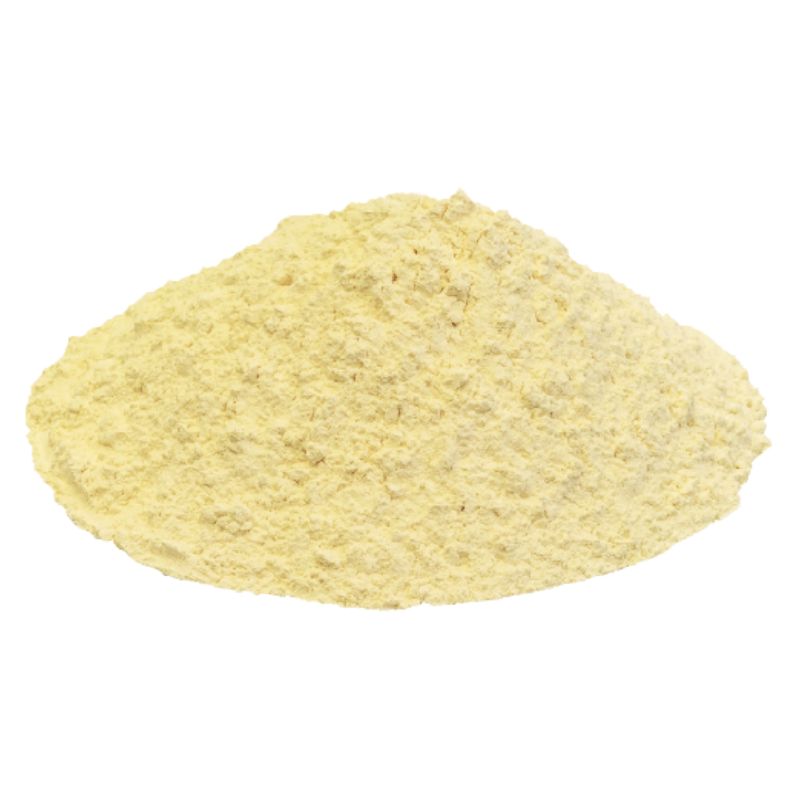
Cerium hydroxide, formula Ce(OH)₄, CAS 12014-56-1, molecular weight 208.1 - documented as a clarifying and decolourising agent in the glass industry and for enhancing UV protection in glass. Image: WONAIXI.
Hazard classification is not a footnote in this decision. Ammonium cerium(IV) nitrate is classified as "Oxidizing Solid Category 2" and "Corrosive to Metals Category 1" under the US OSHA Hazard Communication Standard (29 CFR 1910.1200), as recorded in Fisher Scientific's safety data sheet. A Ce(IV) specification therefore carries packaging, segregation, storage and transport requirements that a Ce(III) specification does not.
Trivalent cerium also behaves differently under thermal processing. Carbonate and hydroxide precursors are converted to cerium oxide during calcination, which is why cerium carbonate grades are used in manufacturing automotive exhaust purification catalysts and as intermediates for producing other cerium compounds. Where a biotech-adjacent process involves a high-temperature step, the specification must state the precursor form and its thermal conversion behaviour, not only the cerium content.
2. Solubility and Medium Compatibility
Solubility is the second parameter because it determines whether the compound can be used at all in a given medium. Cerium(III) nitrates, chlorides and acetates are supplied as hydrates that dissolve readily in aqueous systems, which is why they are the standard choice for solution-phase reagent work. Cerium(III) carbonate and hydroxy-based materials are solids; they are used as precursors and are typically converted chemically or thermally rather than simply dissolved.
Cerium(IV) compounds are generally less soluble in near-neutral water and require acidic conditions to remain in solution, which is consistent with their documented role as acidic oxidation-reduction titration reagents. Cerium hydroxide, with formula Ce(OH)₄, is applied as a solid functional material rather than as a dissolved reagent.
For specification purposes, three items should be written down explicitly: the intended medium (water, buffer, acid, or organic system), the target working concentration, and the accepted dissolution method. Where a project uses a cerium salt as a component of a prepared medium or reagent solution, chloride content and purity become the controlling variables, because both carry through into the final preparation.
3. Particle Size, Morphology and Release Behaviour
Particle size is the parameter most often omitted - and the one that most often delays scale-up. WONAIXI supplies carbonate and oxide grades at different size profiles, including Cerium Carbonate, High Purity Cerium Carbonate, Large Particle Size Cerium Carbonate, Low Chloride Cerium Carbonate, Fine Crystalline Spherical Cerium Carbonate and Large Particle Size Cerium Oxide (CeO₂).
Large Particle Size Cerium Carbonate is specified as Ce₂(CO₃)₃·xH₂O with CAS 54454-25-1 and a molecular weight of 460.26 on an anhydrous basis. Large particle grades behave differently from fine crystalline spherical grades in settling behaviour, filtration load, dust generation during handling, and the surface area available for reaction.
That last point connects directly to phosphate control. When a cerium compound is dosed into a phosphate-bearing stream, the released cerium combines with phosphate to form cerium phosphate, CePO₄, a sparingly soluble salt that precipitates out of solution. Because that reaction depends on how quickly cerium becomes available, the carrier chemistry and particle size of the cerium source - not just the cerium content - govern dosing control. A coarse carbonate releases cerium more gradually than a fine crystalline powder, which is why large particle size grades are specified where controlled release and stable dosing matter more than instantaneous reaction speed.
Morphology should therefore appear on the specification alongside particle size distribution: fine crystalline spherical material for reactivity and dispersion, large particle material for controlled release and easier solids handling.
4. Purity, Grade and Trace Control
Grade designation communicates the application class. Electronic Grade Cerium Ammonium Nitrate is a distinct product from standard Cerium Ammonium Nitrate, and that distinction exists because photomask, LCD etching and pharmaceutical catalyst applications set tighter expectations than general industrial use. High Purity Cerium Carbonate and Low Chloride Cerium Carbonate are similarly separated for a reason: chloride-sensitive chemistry cannot tolerate the standard grade.
Quality control practice should be confirmed at the specification stage. WONAIXI applies 100% test as its quality control approach, and products are accepted through a pre-shipment test, so the release criteria used by the supplier can be aligned with the buyer's own incoming inspection limits before the order is placed.
5. Purchasing Terms and Acceptance Criteria
For grades such as Large Particle Size Cerium Carbonate, the commercial and acceptance framework is defined in advance and should form part of the purchase specification.
- MOQ: discussed according to the actual project situation.
- Delivery terms: FOB or CIF.
- Acceptance criteria: pre-shipment test.
- Pre-shipment inspection: conducted before delivery to verify product conformity.
- Lead time: 30-45 days.
- Payment: payment can be made to the company bank account, by Western Union or by PayPal, with 30% deposit in advance and 70% balance against the copy of the B/L.
Two clarifications are worth building into the order. First, agree which parameters are tested for release - typically formula confirmation, purity and, where relevant, particle size and chloride content. Second, agree how out-of-specification results are handled, since acceptance is confirmed before delivery rather than after arrival.
6. Storage and Handling Parameters
Cerium compounds are conventionally stored dry, in ventilated conditions and within a moderate temperature band - commonly cited as 15-25 °C - in sealed packaging and away from incompatible oxidising or reducing materials. The supplier's safety data sheet for the specific grade should always take precedence over general guidance, particularly for Ce(IV) compounds classified as oxidising solids and corrosive to metals. After-sales support for storage, handling and application questions is provided remotely.
Step-by-Step: Specifying and Qualifying a Cerium Compound
- Define the process function. State in one sentence what cerium must do: dissolve into a reagent, act as a precursor for calcination, oxidise a substrate in acidic media, be a solid polishing or clarifying material, or release ions into a process stream. The function determines every parameter that follows.
- Fix the oxidation state. Write the compound as Ce(III) or Ce(IV) with its full standard name, formula and CAS number. Cerium(III) nitrate hexahydrate, CAS 10294-41-4, and cerium(IV) ammonium nitrate, CAS 16774-21-3, are not alternative spellings of the same order line.
- Fix the medium and solubility requirement. Name the solvent or matrix, the target concentration, and the accepted dissolution method. Confirm dissolution behaviour against a pre-shipment test rather than a data sheet assumption.
- Fix particle size and morphology. Specify large particle size, fine crystalline spherical, or another defined profile, and add the associated handling expectations. For phosphate-control applications, connect particle size to the intended release rate.
- Set purity, grade and trace limits. Select the correct grade tier - electronic grade, high purity, or low chloride - and state any trace limits that carry into the finished preparation, chloride being the most common.
- Agree acceptance criteria and documentation before order release. Use pre-shipment test as the acceptance mechanism, confirm pre-shipment inspection before delivery, and align the supplier's 100% test protocol with your own incoming inspection.
- Confirm commercial terms, lead time, packaging and storage. Finalise MOQ discussions, FOB or CIF delivery terms, and payment structure, then check that packaging and storage instructions match the hazard profile of the selected grade.
Use Cases: Where Cerium Compounds Are Applied
Phosphate control in process and wastewater streams
Cerium compounds are dosed into phosphate-bearing streams to form sparingly soluble CePO₄. Large particle size and fine crystalline spherical carbonate grades are selected according to the release profile the process needs, while low chloride grades are used where chloride carry-over is a concern.
Analytical titration and oxidation chemistry
Ceric sulfate is mainly used as an oxidant, waterproofing agent, mold inhibitor and titration reagent, and ammonium cerium sulfate is mainly used as an oxidation-reduction titration reagent. Cerous sulfate, by contrast, is documented for catalysing organic reactions and as a standard reagent for analytical titration - a clear illustration of how valence, not the element, determines laboratory function.
Pharmaceutical catalysis, etching and polishing
Cerium ammonium nitrate is used as a polishing agent and etching agent in the production of LCD displays and as a catalyst in the pharmaceutical industry, while Electronic Grade Cerium Ammonium Nitrate targets the same functions at a higher grade tier. Cerium(IV) sulfate is also used in glass clarification and decolourisation-adjacent roles alongside its oxidant function.
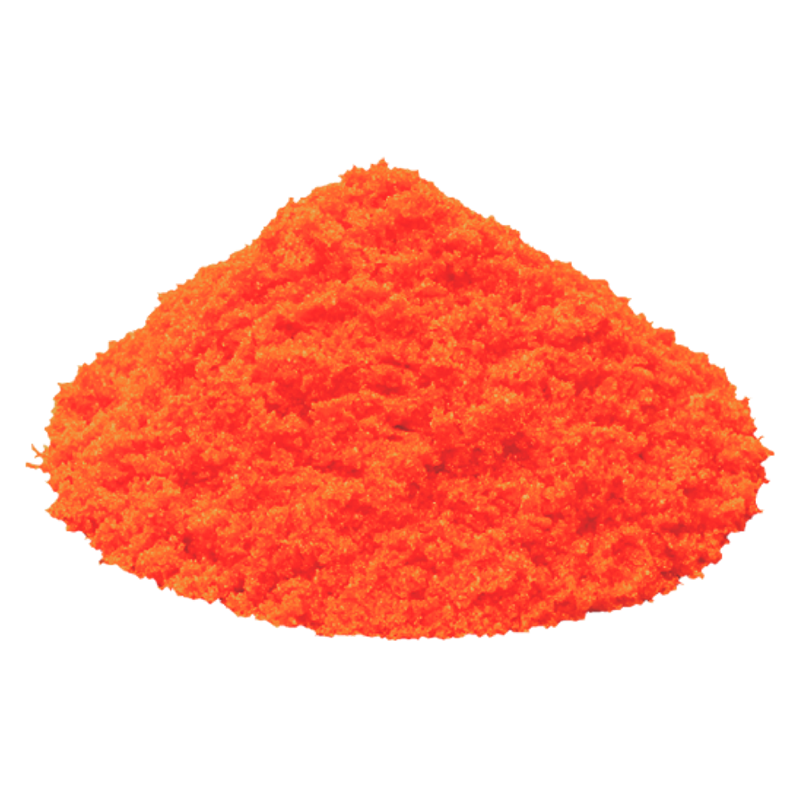
Cerium ammonium nitrate, Ce(NH₄)₂(NO₃)₆, CAS 16774-21-3, molecular weight 548.22 - documented for LCD polishing and etching and as a pharmaceutical industry catalyst. Image: WONAIXI.
Medical imaging and the wider rare earth context
The MRI contrast agents used clinically are gadolinium-based, and rare earth compounds of that class are used in roughly 38-42% of the 135 million MRI procedures performed annually worldwide as of 2024. Cerium's contribution to medical innovation runs through a different path: as a reagent, catalyst and precursor with tightly controlled purity, rather than as a contrast agent itself. Adjacent rare earth fluorides are also used in medical image display technology; lanthanum fluoride is documented for preparing scintillators and rare earth infrared glass required for modern medical image display technology and nuclear science.
Adjacent rare earth salts specified in the same projects
Cerium is rarely ordered in isolation. Projects that begin with a cerium compound frequently add other rare earth salts from the same qualification package: rare earth nitrates (cerium(III) nitrate, lanthanum nitrate, neodymium nitrate, praseodymium nitrate, yttrium nitrate), rare earth chlorides (lanthanum chloride, cerium chloride, anhydrous lanthanum chloride, anhydrous cerium(III) chloride, neodymium chloride, praseodymium chloride, erbium chloride, yttrium chloride), rare earth carbonates (high purity cerium carbonate, lanthanum carbonate, yttrium carbonate), rare earth hydroxides (cerium hydroxide, lanthanum hydroxide, yttrium hydroxide), rare earth sulfates (cerous sulfate, ceric sulfate, ammonium cerium sulfate, lanthanum sulfate hydrate), rare earth fluorides (cerium fluoride, lanthanum fluoride, praseodymium-neodymium fluoride, yttrium fluoride), rare earth acetates (cerium acetate, lanthanum acetate) and rare earth polishing powder. Anhydrous lanthanum chloride and anhydrous neodymium chloride are documented for pharmaceutical intermediates, and neodymium chloride for research reagents and biochemical research.
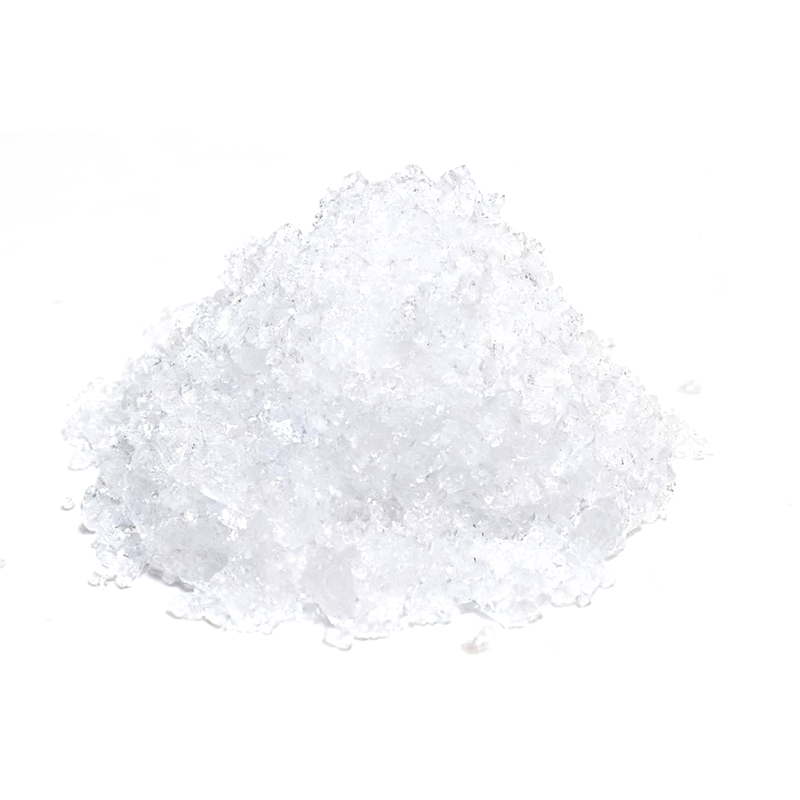
Lanthanum chloride - one of the adjacent rare earth chlorides typically specified alongside cerium compounds in reagent and intermediate projects. Image: WONAIXI.
Comparison Tables
Table 1. Ce(III) versus Ce(IV) selection behaviour.
| Selection parameter | Ce(III) compounds | Ce(IV) compounds |
|---|---|---|
| Representative products | Cerium(III) nitrate hexahydrate; cerium(III) chloride heptahydrate; anhydrous cerium(III) chloride; cerium(III) sulfate pentahydrate (cerous sulfate); cerium carbonate hydrate; cerium acetate hydrate | Cerium(IV) ammonium nitrate; electronic grade cerium(IV) ammonium nitrate; cerium(IV) sulfate tetrahydrate (ceric sulfate); cerium(IV) ammonium sulfate hydrate; cerium hydroxide Ce(OH)₄ |
| Redox behaviour | Trivalent, comparatively stable cerium source; not used as a strong oxidant | Strong oxidising behaviour; documented as oxidant and oxidation-reduction titration reagent |
| Solution behaviour | Nitrate, chloride and acetate hydrates dissolve readily in aqueous systems; carbonate and hydroxy forms are solids used as precursors | Generally lower solubility in near-neutral water; requires acidic media to remain in solution; hydroxide used as a solid functional material |
| Documented primary uses | Petrochemical catalyst additives; glass clarification and electroplating quality improvement; electronic ceramics and phosphors; organic reaction catalysis; analytical titration standard; automotive exhaust purification catalyst precursors | Oxidation-reduction titration; oxidant, waterproofing agent, mold inhibitor; LCD polishing and etching; pharmaceutical industry catalyst; automotive ternary catalyst synthesis; glass clarifying and decolourising |
| Hazard and handling profile | Standard chemical handling; grade selection driven mainly by purity and trace control | Ammonium cerium(IV) nitrate is classified as Oxidizing Solid Category 2 and Corrosive to Metals Category 1 under US OSHA 29 CFR 1910.1200 |
| Best-fit decision | Stable reagent, solution-phase chemistry, solid precursor routes | Oxidation, titration, etching, polishing and oxidative catalysis in acidic media |
Table 2. Selected cerium compounds - reference data.
| Compound | Formula | CAS | Mol. wt. | Documented typical use |
|---|---|---|---|---|
| Cerium Nitrate | Ce(NO₃)₃·6H₂O | 10294-41-4 | 434.22 | Additives for petrochemical catalysts and gas lamp covers |
| Cerium Chloride | CeCl₃·7H₂O | 18618-55-8 | 372.6 | Petrochemical catalysts; production of cerium metal and other cerium compounds |
| Anhydrous Cerium Chloride | CeCl₃ | 7790-86-5 | 246.47 | Petrochemical catalysts; cerium metal; pharmaceutical intermediates |
| Cerous Sulfate | Ce₂(SO₄)₃·5H₂O | 16648-30-9 | 658.42 | Organic reaction catalysis; analytical titration standard; electronic ceramics and phosphors; glass clarification; electroplating |
| Cerium Carbonate | Ce₂(CO₃)₃·xH₂O | 54451-25-1 | 460.26 (anhydrous basis) | Automotive exhaust purification catalysts; intermediate for other cerium compounds |
| Large Particle Size Cerium Carbonate | Ce₂(CO₃)₃·xH₂O | 54454-25-1 | 460.26 (anhydrous basis) | Automotive exhaust purification catalysts; intermediate for other cerium compounds |
| Cerium Ammonium Nitrate | Ce(NH₄)₂(NO₃)₆ | 16774-21-3 | 548.22 | LCD polishing and etching agent; pharmaceutical industry catalyst; automotive ternary catalyst synthesis |
| Electronic Grade Cerium Ammonium Nitrate | Ce(NH₄)₂(NO₃)₆ | 16774-21-3 | 548.22 | Polishing and etching agent in LCD display production; pharmaceutical catalyst; automotive ternary catalysts |
| Ammonium Cerium Sulfate | (NH₄)₄Ce(SO₄)₄·xH₂O | 7637-03-8 | 596.52 (anhydrous basis) | Oxidation-reduction titration reagent |
| Ceric Sulfate | Ce(SO₄)₂·4H₂O | 10294-42-5 | 404.284 | Oxidant, waterproofing agent, mold inhibitor, titration reagent |
| Cerium Hydroxide | Ce(OH)₄ | 12014-56-1 | 208.1 | Clarifying and decolourising agent in glass; UV protection enhancement in glass |
| Cerium Acetate | Ce(C₂H₃O₂)₃·xH₂O | 537-00-8 | 371.27 (anhydrous basis) | Ternary catalyst manufacturing; chemical reagent industry |
Table 3. Commercial, acceptance and storage parameters - Large Particle Size Cerium Carbonate.
| Item | Parameter |
|---|---|
| MOQ | Discussed according to the actual project situation |
| Delivery terms | FOB / CIF |
| Acceptance criteria | Pre-shipment test |
| Pre-shipment inspection | Conducted before delivery to verify product conformity |
| Quality control | 100% test |
| Lead time | 30-45 days |
| Payment terms | Bank account, Western Union or PayPal: 30% deposit in advance, 70% balance against the copy of the B/L |
| Storage | Dry, ventilated conditions; commonly cited moderate band of 15-25 °C; sealed packaging away from incompatible oxidising or reducing materials |
| After-sales | Remote support |
FAQ
Does WONAIXI hold ISO 9001 certification covering cerium salt production?
Yes. Sichuan Wonaixi New Materials Technology Co., Ltd. holds ISO 9001 quality management system certification, certificate number 06526Q01354R101, issued by CFL Certification Center (Beijing China Logistics Joint Certification Center) under standard GB/T19001-2016/ISO9001:2015, with issue date 2026-06-01 and expiry date 2029-05-31. The certified scope is the manufacturing and sales of electronic special rare earth functional materials, covering cerium salts and lanthanum oxide. The company is also certified as a National High-Tech Enterprise and a Sichuan Provincial SRDI Enterprise.
Can cerium compounds be customized to a specific biotech or medical specification?
Yes. WONAIXI offers OEM and ODM production services globally, with customization technical support for indicators, contents, specifications, purity and packaging. Custom development is supported by an R&D team of 12 engineers, and production capacity is 15,000 tons of high-purity rare earth salts plus 3,000 tons of high-precision rare earth polishing powder per year, across 9 major categories of rare earth products and over 50 refined specifications.
What are the purchasing terms and acceptance criteria for large particle size cerium carbonate?
MOQ is discussed according to the actual project situation. Delivery terms are FOB or CIF. Acceptance criteria are based on a pre-shipment test, and pre-shipment inspection is conducted before delivery to verify product conformity. Payment can be made to the company bank account, by Western Union or by PayPal, with 30% deposit in advance and 70% balance against the copy of the B/L.
How should a buyer validate a cerium compound before placing a bulk order?
Validation begins with a written specification that fixes oxidation state, full compound name, formula, CAS number, purity, particle size and trace limits such as chloride content. WONAIXI applies 100% test as its quality control approach and uses pre-shipment test as the acceptance mechanism, so the criteria used for release can be aligned with the buyer's incoming inspection before the order is placed. Buyers who need to align a specification or discuss an evaluation quantity can contact the sales team at wnx.yang@wnxxcl.com or +86 18683334430.
What is the typical lead time, and how should cerium compounds be stored?
Standard lead time is 30-45 days. Cerium compounds are stored dry, in ventilated conditions and within a moderate temperature band commonly cited as 15-25 °C, in sealed packaging and away from incompatible oxidising or reducing materials; the safety data sheet for the specific grade should always take precedence, particularly for Ce(IV) grades classified as oxidising solids. After-sales support is provided remotely. For grade selection, an evaluation discussion or the full product catalogue, the WONAIXI brochure can be downloaded at WONAIXI product brochure.
Conclusion: A Cerium Selection Checklist
Cerium compound selection for biotech and medical innovation comes down to sequencing. Fix the oxidation state first, because Ce(III) and Ce(IV) compounds differ in solubility, redox behaviour and hazard classification. Fix the medium and solubility requirement second, since dissolution behaviour determines usability more than cerium content does. Fix particle size and morphology third, particularly where controlled release into a phosphate-bearing stream is the objective. Then set purity and trace limits, agree acceptance criteria through a pre-shipment test, and close with commercial terms, lead time and storage conditions.
Written this way, a cerium specification becomes verifiable rather than assumed: each parameter traces back to a documented compound, formula, CAS number and application. That is what turns a rare earth purchase order into a reproducible biotech or medical input.
About WONAIXI
- Legal name: Sichuan Wonaixi New Materials Technology Co., Ltd. (WONAIXI)
- Founded: 2012 | Facility: 46,667 m² | Employees: 98 | R&D: 12 engineers
- Annual capacity: 15,000 tons high-purity rare earth salts and 3,000 tons high-precision rare earth polishing powder
- Portfolio: 9 major categories of rare earth products plus a complete zirconium salts series, over 50 refined specifications
- Certification: ISO 9001 (certificate 06526Q01354R101); National High-Tech Enterprise; Sichuan Provincial SRDI Enterprise
- Export markets: United States, Japan, South Korea, France, Italy, Thailand, Australia, Pakistan, Spain, Germany, India, Austria
- Address: No. 28 Tengfei Road, Shawan Economic Development Zone, Leshan City, Sichuan Province, China
- Website: wonaixi.com | Blog: blog.wonaixi.com
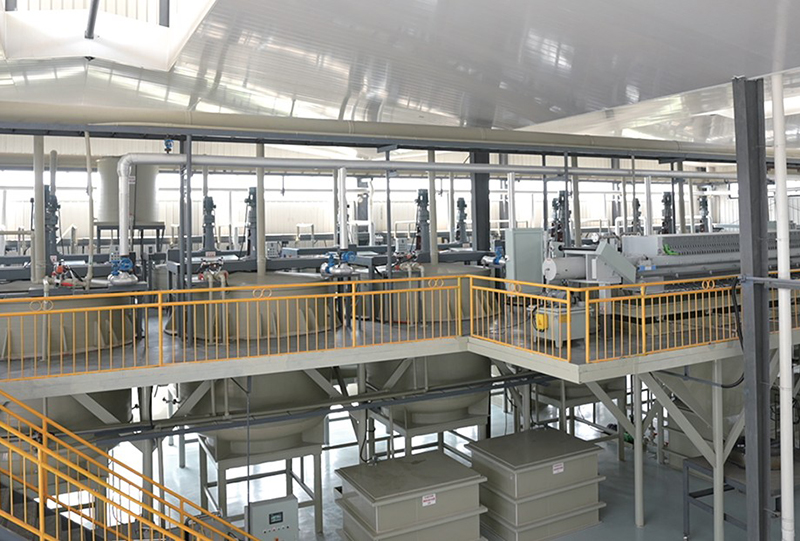
WONAIXI manufacturing facility, Leshan City, Sichuan Province, China - 46,667 m² of dedicated rare earth salt and polishing powder production. Image: WONAIXI.
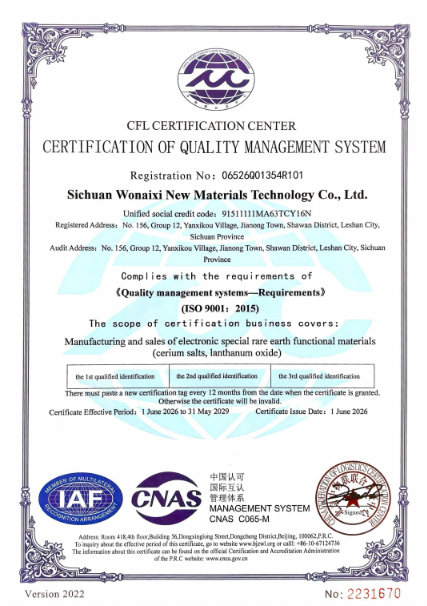
ISO 9001 certificate 06526Q01354R101, issued by CFL Certification Center, valid 2026-06-01 to 2029-05-31, covering manufacturing and sales of electronic special rare earth functional materials. Image: WONAIXI.
Next Step: Specification Review or Evaluation Sample
Send your cerium specification - oxidation state, formula, CAS number, purity, particle size and chloride limits - and the WONAIXI team will confirm grade fit, MOQ and lead time against current production.
Contact: YANG XINGE | Email: wnx.yang@wnxxcl.com | Tel / WhatsApp: +86 18683334430
Catalogue: Download the WONAIXI product brochure (PDF)
Have Questions or Need More Details?
Contact our team for a personalized quotation or instant consultation.
Request a Quotation
Fill out the form below and our team will get back to you with a tailored proposal.
WhatsApp Direct Chat
Prefer to chat in real-time? Message us on WhatsApp for instant assistance & quick answers.
- Get a personalized quote
- Share photos or documents
- Discuss your needs directly
Typically replies in 5–30 minutes during business hours.