
Rare Earth: Cerium Carbonate vs. Zirconia Precursors Guide
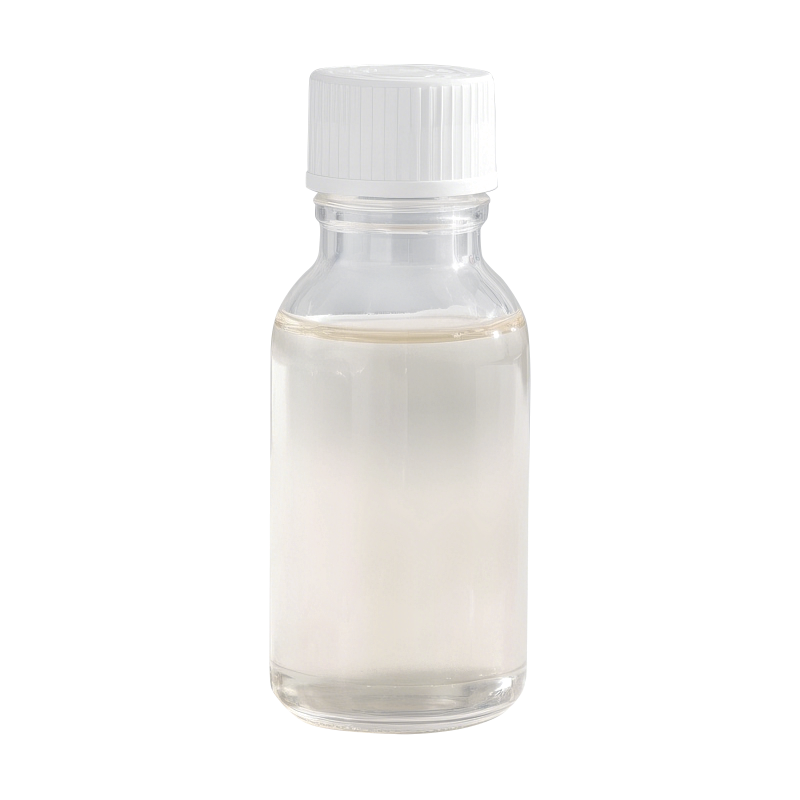
Zirconium(IV) acetate solution (Zr(C2H3O2)4, CAS 7585-20-8) — one of the two zirconia precursor routes compared with large particle size cerium carbonate in this guide.
For biotech and medical buyers, the rare earth question is rarely which brand, but which material does the job. Large particle size cerium carbonate and zirconia precursors are both rare earth materials, both appear in medical-adjacent supply chains, and both are offered by the same type of manufacturer. They are not interchangeable, and the specification that separates them is chemistry, not supplier claims.
Large particle size cerium carbonate (Ce2(CO3)3·xH2O, CAS 54454-25-1) is a 500 µm–5 mm granular grade. Its very low water solubility — 0.001 g/100 mL at 20 °C — produces a slow, sustained release of Ce3+ ions, which combine with phosphate to form insoluble CePO4. That is the mechanism behind long-term phosphate removal in filter-bed wastewater treatment and phosphate-control projects. Zirconia precursors, including zirconium(IV) acetate solution (Zr(C2H3O2)4, CAS 7585-20-8) and a zirconium technical pentahydrate grade, are converted by heat into dense ZrO2 for orthopedic implants, titanium alloy implant surface layers and high-strength ceramic components.
This guide compares the two families on the three criteria that decide a specification in practice: application chemistry, material form and biomedical performance. WONAIXI (Sichuan Wonaixi New Materials Technology Co., Ltd.), founded in 2012, produces both — 9 major categories of rare earth products plus a complete zirconium salts series, more than 50 refined specifications — so the comparison can be run against a single production base instead of two supplier presentations.
The Decision Problem: Two Rare Earth Families, Two Different Jobs
Collapsing the two families into one shortlist of rare earth precursors is the most common sourcing error in this segment. Large particle size cerium carbonate is a dissolution-and-precipitation material. It has to dissolve slowly enough to keep releasing Ce3+ over a long service interval, which is why the commercial grade is supplied as 30–40 mesh granules rather than fine powder. A zirconia precursor is a thermal-conversion material. It has to dissolve completely and uniformly in a liquid phase, then decompose into a dense oxide during drying and sintering.
The practical test is therefore not which material is more advanced, but three questions:
- Application chemistry: does the process depend on ion release and precipitation (phosphate control), or on phase conversion at temperature (dense ZrO2)?
- Material form: does the dosing point accept 500 µm–5 mm granules, a fine powder, or a solution that must be sprayed or spin-coated?
- Biomedical performance: does the material end up in water, in a furnace, or in contact with tissue?
A fourth consideration sits underneath all three: valence. Large particle size cerium carbonate keeps a stable +3 cerium valence with no strong oxidizing property, which is what allows it to serve in slow-release and phosphate-binding systems without oxidizing side reactions. Tetravalent cerium reagents are a different class of material — ammonium cerium(IV) nitrate, for example, is classified as Oxidizing Solid Category 2 and Corrosive to Metals Category 1 under the US OSHA Hazard Communication Standard (29 CFR 1910.1200). Specifying a Ce4+ reagent where a Ce3+ carbonate is required, or the reverse, is a compliance problem rather than a price problem.
Industry Background: Where Rare Earth Compounds Already Sit in Biotech and Medicine
Demand for both families is established rather than speculative. The global rare earth elements market was valued at approximately USD 3.95 billion in 2024 and is projected to reach USD 6.28 billion by 2030 (Grand View Research). Medical imaging is one of the longest-running rare earth applications: gadolinium-based contrast agents are used in roughly 38–42% of the 135 million MRI procedures performed annually worldwide as of 2024 (Mordor Intelligence). Cerium reagents used in laboratory and electronics work follow the same direction — the global ceric ammonium nitrate market, used as a reagent in biotech and electronics, was valued at USD 162 million in 2023 and is expected to grow at a CAGR of 7.8% to USD 274 million by 2030 (Persistence Market Research). High-purity electronic grade ceric ammonium nitrate is a primary material for producing photomasks and LCDs, with Asia Pacific the fastest-growing region for these compounds (IMARC Group).
On the supply side, China's rare-earth exports reached 62.6 thousand metric tons in 2025, up from 55.4 thousand metric tons in 2024 (Statista / China Customs) — relevant because most biotech and medical buyers of cerium and zirconium chemistry source through Chinese production. The practical consequence for a specification team is that the two families are not bought on one price list: granular carbonate is selected on dissolution rate, granule integrity and dust behaviour, while zirconia precursors are selected on solubility, doping uniformity and the purity of the calcined oxide.
Detailed Solution: Large Particle Size Cerium Carbonate and Its Slow-Release Ce3+ Chemistry
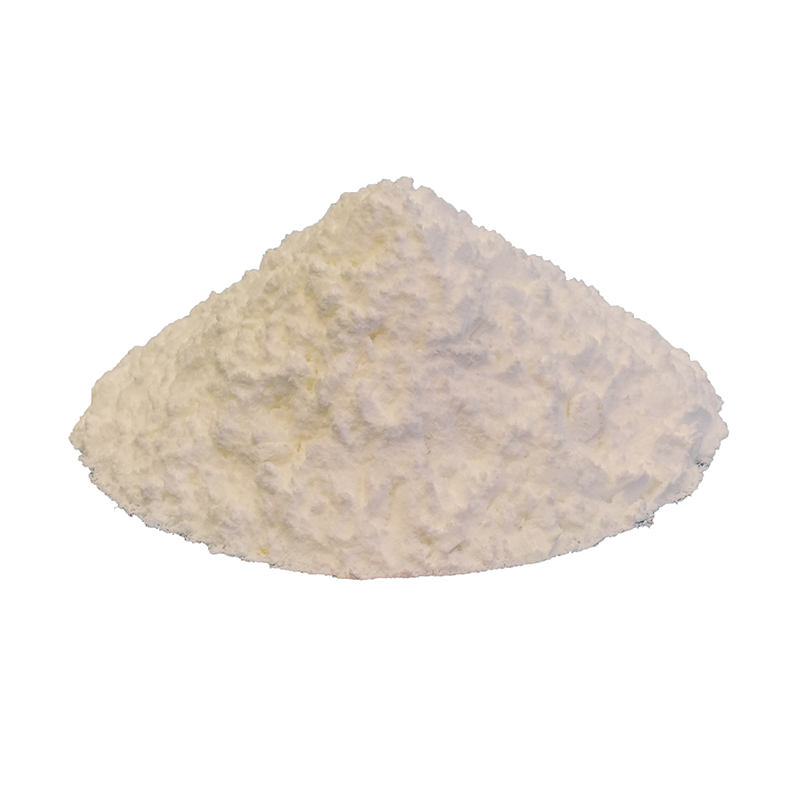
Large Particle Size Cerium Carbonate — a 500 µm–5 mm (30–40 mesh) trivalent cerium carbonate hydrate with negligible dust generation.
Large Particle Size Cerium Carbonate is supplied as a hydrate with the formula Ce2(CO3)3·xH2O (CAS 54454-25-1, molar mass 460.26 g/mol on an anhydrous basis). The form is the specification: the material is a white to pale yellow, free-flowing dense granule or irregular pellet in the 500 µm–5 mm range, corresponding to roughly 30–40 mesh.
- Physical profile: bulk density of 3.0–3.2 g/cm3, higher than the approximately 2.6 g/cm3 typical of fine cerium carbonate powder, so less storage volume is needed per tonne. The low specific surface area of the granules means almost no airborne dust under normal handling.
- Solubility behaviour: water solubility of 0.001 g/100 mL at 20 °C. Dissolution is slow and acid-assisted, which is exactly what makes the grade useful where a steady Ce3+ supply is needed rather than a fast reaction.
- Phosphate chemistry: released Ce3+ binds phosphate into insoluble CePO4. In filter-bed operation the sustained release removes phosphate over long intervals without clogging the bed, which is why the grade is specified for long-term phosphate removal in industrial wastewater and for restricting eutrophication.
- Thermal behaviour: decomposition to Ce2O3 begins at 300–400 °C and continues to CeO2 above 600 °C. Granules retain their shape during heating and release CO2 gently, creating controlled porosity in ceramic bodies instead of sudden furnace pressure spikes.
- Ceramic and metallurgical roles: as a sintering aid the grade distributes evenly in a green body, reduces shrinkage and raises mechanical strength in furnace liners and engine components; in steel and aluminium melting it is easy to dose and refines grain; as a catalyst-bed support it calcines into high-surface-area CeO2 that anchors noble metals for NOx reduction.
- Laboratory role: a dust-free feed for high-temperature solid-state synthesis, where uniform blending with other coarse reactants gives steady reaction kinetics.
The same chemistry is available in finer and purer forms when the application demands it. High Purity Cerium Carbonate is graded at 4N, 5N and 6N with heavy metal impurities below 10 ppb, other rare earths below 5 ppb and anions below 1 ppm; it dissolves at an efficiency of 99.9% or higher without insoluble residues and serves as an ICP-MS calibration and cerium speciation reference. Fine Crystalline Spherical Cerium Carbonate combines 10–50 nm grains with 1–10 µm spherical particles and a specific surface area of 20–50 m2/g, which lets submicron spheres conform to complex implant surfaces and improve coating adhesion. Standard cerium carbonate hydrate (CAS 54451-25-1) remains the baseline grade for cerium oxide intermediates, catalyst precursors and glass-related work.
The limitation is equally specific: the granular form is slow by design. Where a project needs rapid, high-concentration, homogeneous doping of a liquid phase, the coarse grade is the wrong selection and a soluble or fine-powder grade should be used instead.
Detailed Solution: Zirconia Precursors and the Rare Earth Chemistry Around Them
The zirconia route starts with a soluble zirconium salt and ends with a dense oxide. Two precursor paths are used in medical and precision work.
Path 1 — structural zirconia from technical pentahydrate
A zirconium technical pentahydrate grade is mixed with yttrium nitrate, spray dried and sintered into high-strength zirconia for engine structural parts and orthopedic implants. The precursor fully dissociates into Zr4+ hydrated coordination ions, which enables uniform liquid-phase doping and reduces ceramic sintering temperature; zirconium holds a stable +4 valence and forms tetrahydrate and pentahydrate crystals. High solubility in water and alcohol supports high-concentration, stable precursor solutions that form uniform films by spraying or spin coating, and thermal decomposition yields dense insulating zirconia films that cut device leakage in electronic and semiconductor work.
Path 2 — implant surfaces from zirconium(IV) acetate
Zirconium(IV) acetate solution (Zr(C2H3O2)4, CAS 7585-20-8, molar mass 327.4 g/mol) is the tissue-facing route. Because it is dual-soluble in water and ethanol, it fits both aqueous and organic coating systems, and it leaves no corrosive chloride or nitrate residues after calcination. The acetate volatilises and decomposes at low temperature — a uniform ceramic protective layer can be formed with alumina at roughly 500 °C — so dense, pure-phase ZrO2 is produced with a lower thermal budget. In biomedicine, an ultra-high-purity solution is used to modify titanium alloy implants: it forms a thin ZrO2 surface layer that accelerates osteoblast adhesion and reduces implant rejection.
Rare earth chemistry is not a bystander in either route. Lanthanum hydroxide is used as a zirconia sintering aid that lowers sintering temperature and improves toughness and thermal shock resistance, and it is also associated with enhanced implant biocompatibility and reduced inflammation. Yttrium nitrate supplies the stabiliser in the pentahydrate route. Low-chloride rare earth grades (Cl- at or below 1 ppm for high-sensitivity variants) support rare-earth-doped bioceramics for medical implants.
The trade-off to plan for is shelf life and handling. Zirconium acetate has low acute toxicity, is non-flammable and is non-corrosive to aluminium and stainless steel, but powder must be kept below 70 °C and aqueous solution separated from strong bases; published shelf life is 1–2 years for powder and 6–12 months for solution, against 3–4 years for granular cerium carbonate.
Side-by-Side Comparison: Cerium Carbonate vs. Zirconium Acetate
The table compares published specification data for WONAIXI's Large Particle Size Cerium Carbonate and Zirconium(IV) Acetate. Where a parameter is not part of the published data set, the cell states that rather than borrowing a figure from a generic source.
| Decision parameter | Large Particle Size Cerium Carbonate | Zirconium(IV) Acetate (zirconia precursor) |
|---|---|---|
| Formula | Ce2(CO3)3·xH2O (hydrate) | Zr(C2H3O2)4 |
| CAS number | 54454-25-1 | 7585-20-8 |
| Molar mass | 460.26 g/mol (anhydrous basis) | 327.4 g/mol |
| Supplied form | 500 µm–5 mm (30–40 mesh) dense granules or pellets | Solution, also handled as powder; dual-soluble in water and ethanol |
| Bulk density | 3.0–3.2 g/cm3 | Not part of the published data set |
| Solubility / dissolution | 0.001 g/100 mL at 20 °C; slow, acid-assisted dissolution | Ready solubility in water and ethanol for the solution grade |
| Valence and redox behaviour | Stable +3 Ce; no strong oxidizing property | Stable +4 Zr; no redox reactivity at ambient temperature |
| Mechanism the grade is bought for | Sustained Ce3+ release forming insoluble CePO4 with phosphate | Thermal conversion to dense ZrO2; ZrO2 surface layer on titanium implants |
| Thermal behaviour | Decomposes at 300–400 °C to Ce2O3; oxidises to CeO2 above 600 °C; granule shape retained | Acetate volatilises and decomposes at low temperature; ceramic layer with alumina at about 500 °C; pentahydrate route is spray dried then sintered |
| Primary biotech / medical role | Long-term phosphate removal in filter beds; ceramic sintering aid; catalyst carrier; ICP-MS and speciation reference | Orthopedic implant zirconia; titanium alloy implant surface modification; anti-corrosion ceramic coatings; electronic thin films |
| Dust and handling profile | Negligible dust; low inhalation hazard; nitrile gloves and safety goggles | Low acute toxicity; mild skin dryness; fine powder causes temporary respiratory irritation |
| Storage | 15–25 °C, RH below 60% | 15–25 °C, RH below 60%; powder below 70 °C |
| Shelf life | 3–4 years granular; 2–3 years at 4N/5N; 1–1.5 years at 6N | 1–2 years powder; 6–12 months aqueous solution |
Step-by-Step: Selecting the Right Grade for a Project
- Define the functional job in one sentence. Phosphate removal over a multi-month interval and an implant with a tissue-facing ZrO2 layer lead to different answers before any supplier is contacted. If a project covers both, split the brief into two line items instead of averaging the specification.
- Fix the material form before the purity grade. Granules (500 µm–5 mm) suit filter beds and coarse solid-state feeds; fine powder or solution suits uniform liquid-phase doping; spraying or spin coating requires the high-concentration stable solution that the zirconium acetate or pentahydrate route provides.
- Confirm valence and redox behaviour against the receiving system. Ce3+ carbonate is the low-risk option where oxidizers cannot be tolerated. Ce4+ reagents carry a different hazard classification — ammonium cerium(IV) nitrate is Oxidizing Solid Category 2 and Corrosive to Metals Category 1 under OSHA 29 CFR 1910.1200.
- Set the impurity ceiling. High Purity Cerium Carbonate is available at 4N, 5N and 6N with heavy metals below 10 ppb, other rare earths below 5 ppb and anions below 1 ppm, and holds consistent physical and chemical properties across batches. Remember that the contamination-sensitive 6N grade carries a shorter shelf life (1–1.5 years) than 4N/5N (2–3 years).
- Check process compatibility. Does the line accept a slow-dissolving granule, or does it need 99.9% dissolution efficiency without insoluble residues? Does the furnace run at about 500 °C for a zirconium acetate coating, or higher for a spray-dried pentahydrate body? Does the precursor have to decompose without chloride or nitrate residues?
- Plan storage, shelf life and handling. Both families are stored at 15–25 °C, but humidity ceilings differ: below 50% for high-purity carbonate, below 60% for granular carbonate and zirconium acetate. Zirconium acetate powder must stay below 70 °C, and cerium hydroxide intermediates require nitrogen protection when they form part of the process chain. Match shelf life to consumption rate — an annual volume of a 6N carbonate or of zirconium acetate solution will not survive the year.
- Verify supply capability against the specification, not the catalogue. Confirm that particle size, purity, hydrate form and packaging can be customised (indicators, contents, specifications, purity and packaging are all adjustable through the OEM/ODM model), that testing is 100% on production, and that lead time and MOQ fit the schedule — published lead time is 30–45 days, with MOQ communicated according to the actual situation.
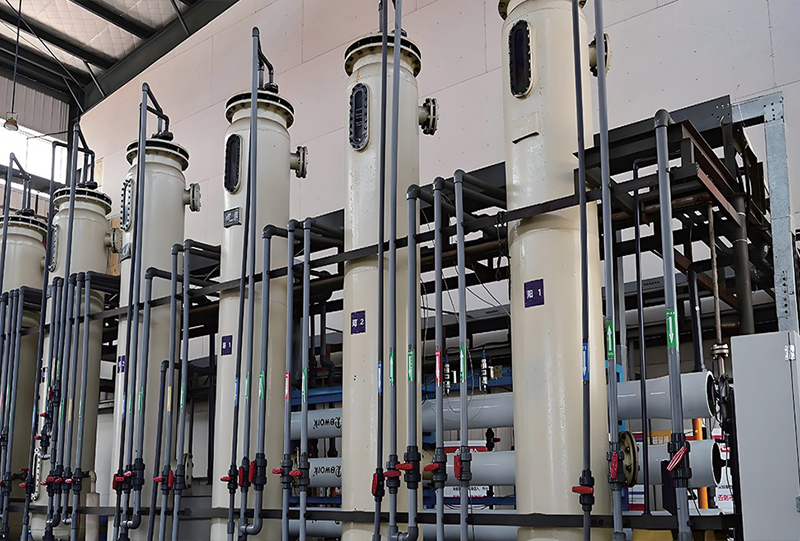
Production base of Sichuan Wonaixi New Materials Technology Co., Ltd. — 15,000 tons of high-purity rare earth salts and 3,000 tons of high-precision rare earth polishing powder per year.
Use Cases: Where Each Grade Earns Its Place
1. Long-term phosphate removal in industrial wastewater
The 500 µm–5 mm granular carbonate is dosed into filter beds, where sustained Ce3+ release precipitates phosphate as insoluble CePO4 without clogging. The low-dust granule form keeps handling simple in a water plant, and the 3–4 year shelf life supports buffer stock. Lanthanum-based grades follow the same phosphate-control logic, including phosphate-binding raw material for nephropathy-type pharmaceutical projects that operates under neutral to weak alkaline conditions.
2. Orthopedic implants and high-strength zirconia components
A zirconium technical pentahydrate grade mixed with yttrium nitrate is spray dried and sintered into high-strength zirconia for engine structural parts and orthopedic implants. Uniform liquid-phase doping from fully dissociated Zr4+ ions reduces the ceramic sintering temperature, and the same chemistry delivers dense insulating films where device leakage matters.
3. Titanium alloy implant surface modification
Ultra-high-purity zirconium acetate solution forms a thin ZrO2 layer on titanium implants, accelerating osteoblast adhesion and reducing implant rejection; because it decomposes without corrosive chloride or nitrate residues, the surface chemistry stays clean. In the same material family, lanthanum hydroxide acts as a zirconia sintering aid that improves toughness and thermal shock resistance and is associated with improved implant biocompatibility.
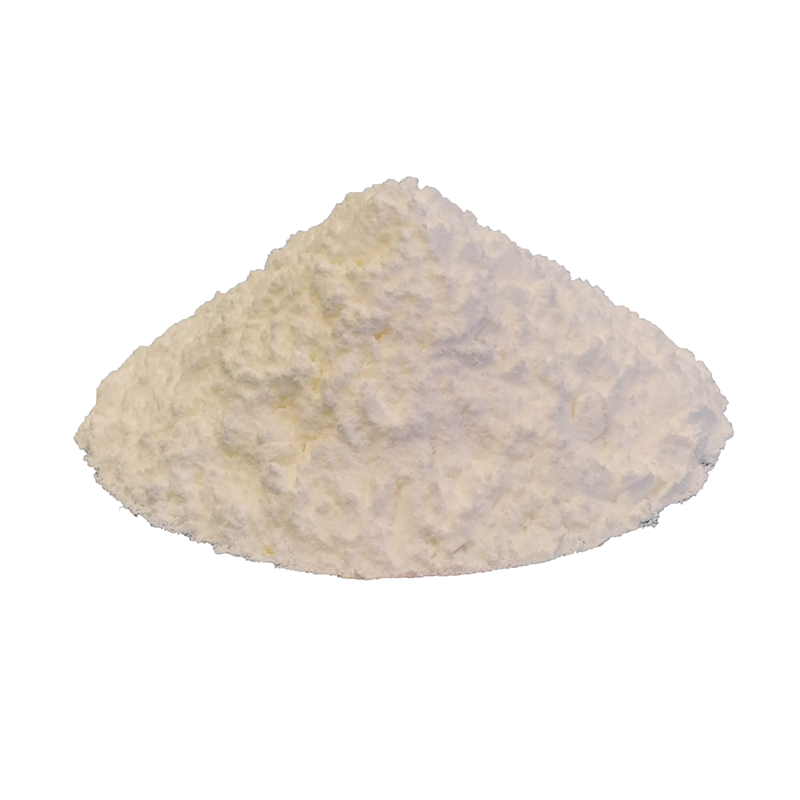
Fine Crystalline Spherical Cerium Carbonate — 10–50 nm grains and 1–10 µm spheres (20–50 m2/g) for bioceramic implant coatings and optical or catalytic thin films.
4. Bioceramic implant coatings
Fine crystalline spherical cerium carbonate is used for bioceramic protective coatings on medical implants: submicron spheres conform to complex implant surfaces and improve coating adhesion on metal substrates, reducing delamination. Low-chloride rare earth grades (Cl- at or below 1 ppm for high-sensitivity variants) support rare-earth-doped bioceramics for implants.
5. Laboratory analysis and reference work
High purity cerium carbonate at 4N/5N/6N serves as an ICP-MS calibration and cerium speciation reference material, while granular carbonate provides dust-free feed for high-temperature solid-state synthesis. Laboratories that also run redox titration should note that titrant chemistry sits in a separate product family — the standard cerimetric reagent without an external indicator is a distinct line from the carbonate grades discussed here.
6. Ceramic and metallurgical processing
Granular carbonate works as a sintering aid that reduces shrinkage and raises strength in alumina and zirconia bodies, and as a rare earth additive in steel and aluminium it refines grain and supports corrosion resistance.
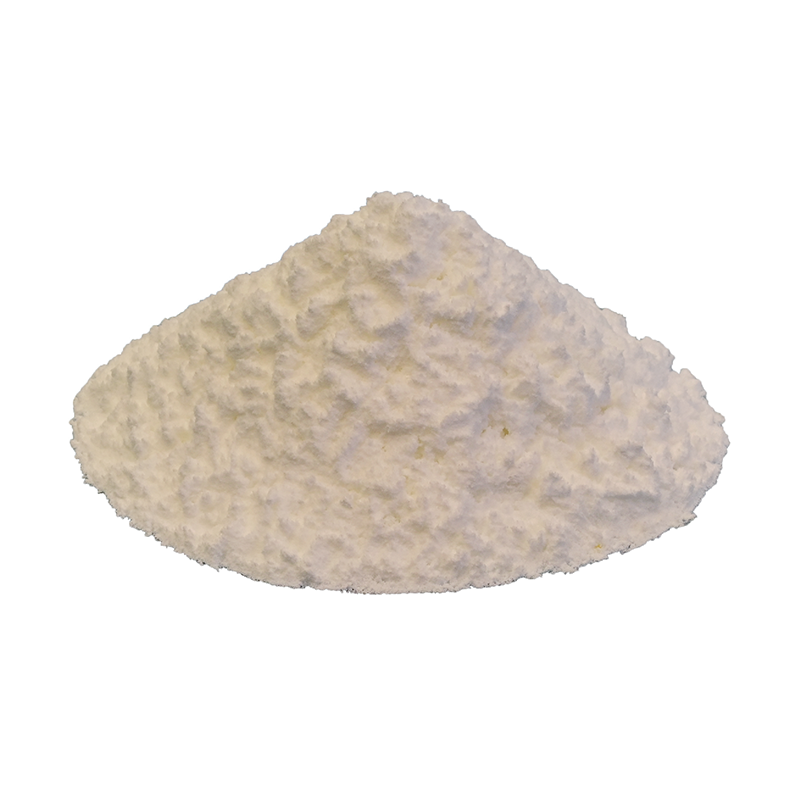
High Purity Cerium Carbonate — 4N/5N/6N grading with heavy metals below 10 ppb and anion impurities below 1 ppm.
FAQ
Which purity and compliance parameters should a biotech or medical buyer verify first?
Start with valence, then impurities, then storage. Large particle size cerium carbonate keeps a stable +3 cerium valence with no strong oxidizing property, which matters where the receiving system cannot tolerate oxidizers. For higher-precision work, High Purity Cerium Carbonate is graded at 4N, 5N and 6N with heavy metal impurities below 10 ppb, other rare earths below 5 ppb and anions below 1 ppm. Storage belongs in the same review: 15–25 °C with relative humidity below 50% for high-purity carbonate and below 60% for granular carbonate and zirconium acetate. If the specification calls for a tetravalent cerium reagent instead, the compliance profile changes — ammonium cerium(IV) nitrate is classified as Oxidizing Solid Category 2 and Corrosive to Metals Category 1 under the US OSHA Hazard Communication Standard (29 CFR 1910.1200). WONAIXI operates as a National High-Tech Enterprise and a Sichuan Provincial SRDI Enterprise, with 100% testing on production.
How should a buyer choose a rare earth manufacturer for biotech reagents?
Choose by coverage and control rather than catalogue length. A supplier that produces both the cerium carbonate family and the zirconium salts series lets one specification team compare phosphate-control grades and implant-precursor grades against a single quality system. WONAIXI manufactures 9 major categories of rare earth products plus a complete zirconium salts series, more than 50 refined specifications, from a 46,667 m2 facility with an annual output of 15,000 tons of high-purity rare earth salts and 3,000 tons of high-precision rare earth polishing powder, supported by 12 engineers in R&D. Customisation matters as much as coverage: indicators, contents, specifications, purity and packaging can all be adjusted under an OEM/ODM arrangement, and every batch is 100% tested before shipment.
What drives cost and order flexibility for these grades?
Purity grade and material form drive the specification, and the specification drives the commercial terms. A ceramic-grade granular carbonate for filter beds, a 6N carbonate for ICP-MS reference work, a zirconium technical pentahydrate grade and a zirconium(IV) acetate solution are four different production flows, and the hydrate form, particle size and packaging add further variation. Minimum order quantity is communicated according to the actual situation of each project, and published lead time is 30–45 days. Buyers comparing quotations should compare grade, hydrate form, impurity ceiling and packaging specification on the same line before comparing the number.
How can a project validate a grade before scaling up?
Validation starts with a locked specification and published physical data, then moves to an in-process trial. Indicators, contents, specifications, purity and packaging are customisable through WONAIXI's OEM/ODM capability, and production is 100% tested. Useful screening data before the trial includes water solubility of 0.001 g/100 mL at 20 °C for granular carbonate, acid dissolution efficiency of at least 99.9% without insoluble residues for high purity carbonate, and dual solubility in water and ethanol for zirconium acetate solution. The final check is always the real unit: a filter-bed run for phosphate control, spray drying with yttrium nitrate for zirconia, or a coating trial for implant surfaces. Sample and quotation requests can be raised with the WONAIXI technical team before a full specification is frozen.
What lead time, capacity and shelf life should buyers plan around?
Published lead time is 30–45 days, backed by an annual capacity of 15,000 tons of high-purity rare earth salts and 3,000 tons of high-precision rare earth polishing powder; export markets include the United States, Japan, South Korea, France, Italy, Thailand, Australia, Pakistan, Spain, Germany, India and Austria, with remote after-sales support. Shelf life must be planned against consumption: 3–4 years for granular large particle size cerium carbonate, 2–3 years for 4N/5N high purity cerium carbonate and only 1–1.5 years for the 6N grade, 1–2 years for zirconium acetate powder but 6–12 months for its aqueous solution. Ordering an annual volume of a short-shelf-life grade is the most common planning error in this category.
Conclusion: Choose by Chemistry, Then by Specification
Specification logic, not supplier preference, decides this comparison. If the project is phosphate control in water or a long-interval filter bed, large particle size cerium carbonate is the starting point, and the 500 µm–5 mm granular form is a feature rather than a compromise. If the project is a zirconia implant, a titanium implant surface layer or a dense ceramic film, a zirconia precursor such as zirconium(IV) acetate solution or the technical pentahydrate route is the correct starting point, with yttrium nitrate and lanthanum hydroxide completing the ceramic chemistry. If the project is analytical, a 4N–6N high-purity carbonate provides the impurity ceiling and batch consistency the method requires.
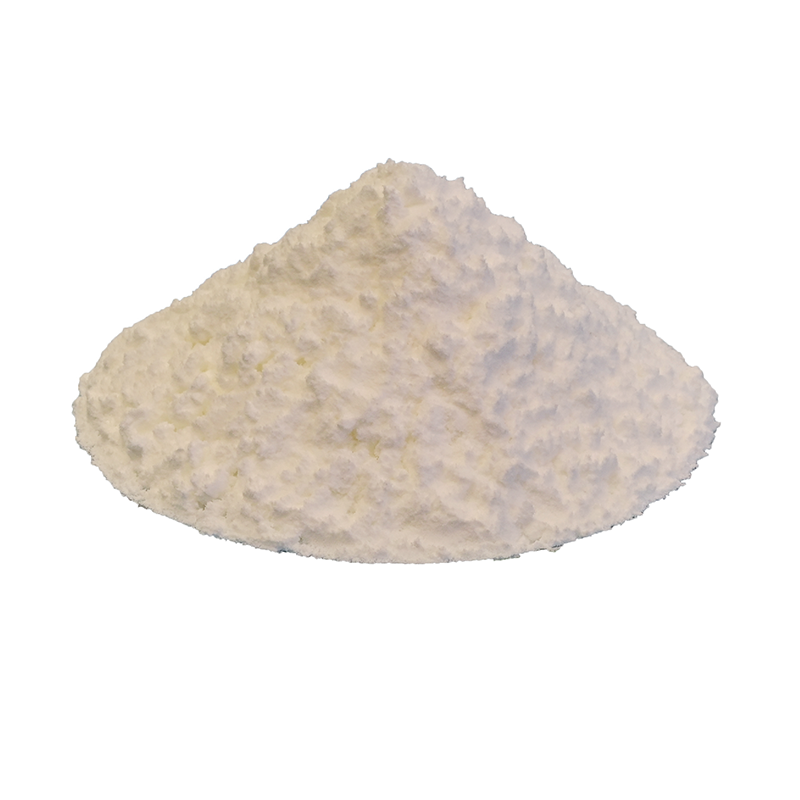
Cerium carbonate hydrate grades for phosphate control, ceramic processing and laboratory reference work.
Next Step: Sample and Quote Requests
WONAIXI supplies both material families from one production base in Leshan, Sichuan: high-purity rare earth salts, high-precision rare earth polishing powder and a complete zirconium salts series, with customisation of indicators, contents, specifications, purity and packaging, and 100% testing on production. Buyers can request a grade sample, a technical data review or a quotation against their own specification.
Website: wonaixi.com | Product catalogue: Download the WONAIXI brochure (PDF)
Contact: YANG XINGE | Email: wnx.yang@wnxxcl.com | Tel / WhatsApp: +86 18683334430
Address: No. 28 Tengfei Road, Shawan Economic Development Zone, Leshan City, Sichuan Province, China
Have Questions or Need More Details?
Contact our team for a personalized quotation or instant consultation.
Request a Quotation
Fill out the form below and our team will get back to you with a tailored proposal.
WhatsApp Direct Chat
Prefer to chat in real-time? Message us on WhatsApp for instant assistance & quick answers.
- Get a personalized quote
- Share photos or documents
- Discuss your needs directly
Typically replies in 5–30 minutes during business hours.