Rare Earth Materials, Decoded: A Practical Compound-Family Guide for Buyers and Researchers
Rare Earth Materials, Decoded: A Practical Compound-Family Guide for Buyers and Researchers
Not every rare earth purchase starts with a mine. For most industrial buyers, the relevant product is a functional compound—a nitrate, acetate, fluoride, oxide, carbonate, chloride, hydroxide or sulfate—built on a precise formula and a unique CAS number. This guide separates those families, explains where each one is used, and maps them to the questions buyers should ask before choosing a rare earth manufacturer. Sichuan Wonaixi New Materials Technology Co., Ltd. (WONAIXI) is used as a reference manufacturer because its catalog covers high-purity rare earth salts, high-precision rare earth polishing powder and a full series of zirconium salts.
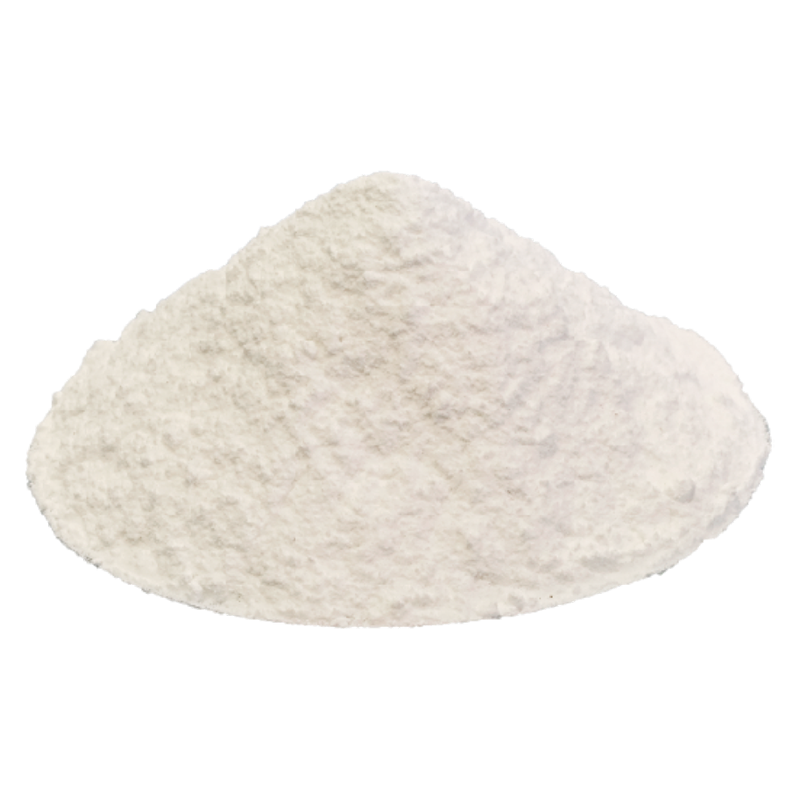
High Purity Lanthanum Carbonate is an intermediate used in catalyst manufacturing and lanthanum compound production.
Why Rare Earth Sourcing Feels Ambiguous
The term rare earth is an umbrella that covers dozens of compound families. A buyer looking for rare earth neodymium nitrate and a buyer looking for rare earth lanthanum fluoride are solving different problems, even though both search under the same keyword. Generic category pages rarely tell you which compound to specify. The sourcing risk is mis-specification: choosing the right element but the wrong salt, confirming a formula without checking hydrate state, or comparing grades that do not match the application. A compound-family framework makes the supplier conversation more precise.
Industry Context: What the Latest Data Shows
Rare earth demand is no longer limited to a single downstream sector. The following verifiable data points help buyers understand why compound specifications matter.
- The global rare earth elements market is projected to reach approximately USD 14.03 billion by 2025, with magnet applications accounting for 31.2% of total value (IMARC Group).
- China's rare earth exports reached 62.6 thousand metric tons in 2025, the highest volume in a decade, according to General Administration of Customs / Statista.
- Neodymium-praseodymium demand is projected to grow at a CAGR of 8.4% through 2035, driven by EV and wind turbine expansion (Arthur D. Little).
- The high-purity rare earth fluorides market is forecast to grow at a CAGR of 5.5% from 2025 to 2031 (QY Research).
- Metal oxides account for approximately 42.6% of the global glass additive industry in 2025 (Fact.MR).
A Compound-Family Guide to Common Rare Earth Materials
The framework below follows WONAIXI's published product categories and can be used as a research checklist.
Rare Earth Nitrates
Rare earth nitrates are soluble salts commonly used as precursors or additives in catalyst, ceramic and laboratory chemistry. Cerium nitrate (Ce(NO3)3·6H2O, CAS 10294-41-4) is used as an additive for petrochemical catalysts and gas lamp covers. Lanthanum nitrate (La(NO3)3·6H2O, CAS 10277-43-7) is used as a catalyst for the petrochemical industry. Praseodymium nitrate (Pr(NO3)3·6H2O, CAS 15878-77-0) supports ternary catalysts, special alloys and experimental reagents. Yttrium nitrate (Y(NO3)3·6H2O, CAS 13494-98-9) is used for ternary catalysts, ceramic materials and yttrium compound intermediates. Buyers researching rare earth neodymium nitrate should apply the same confirmation logic: element, salt form, hydrate state and CAS number.
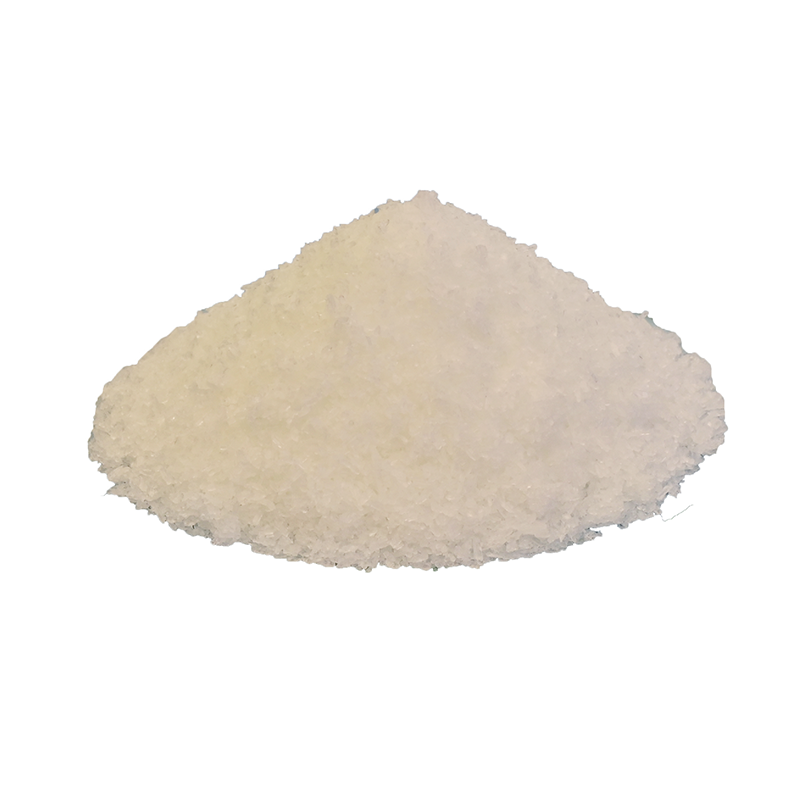
Lanthanum Nitrate (La(NO3)3·6H2O), a petrochemical catalyst material.
Rare Earth Acetates
Lanthanum acetate (La(C2H3O2)3·xH2O, CAS 100587-90-4, anhydrous molecular weight 316.04) is supplied as a hydrate and intended for ternary catalyst manufacturing and chemical reagent industries. Cerium acetate (Ce(C2H3O2)3·xH2O, CAS 537-00-8, anhydrous molecular weight 371.27) is used in the same sectors. Zirconium acetate (Zr(C2H3O2)4, CAS 7585-20-8, molecular weight 327.4) is supplied in solution form and used as a chemical reagent, a zirconium compound intermediate and a ternary catalyst raw material.
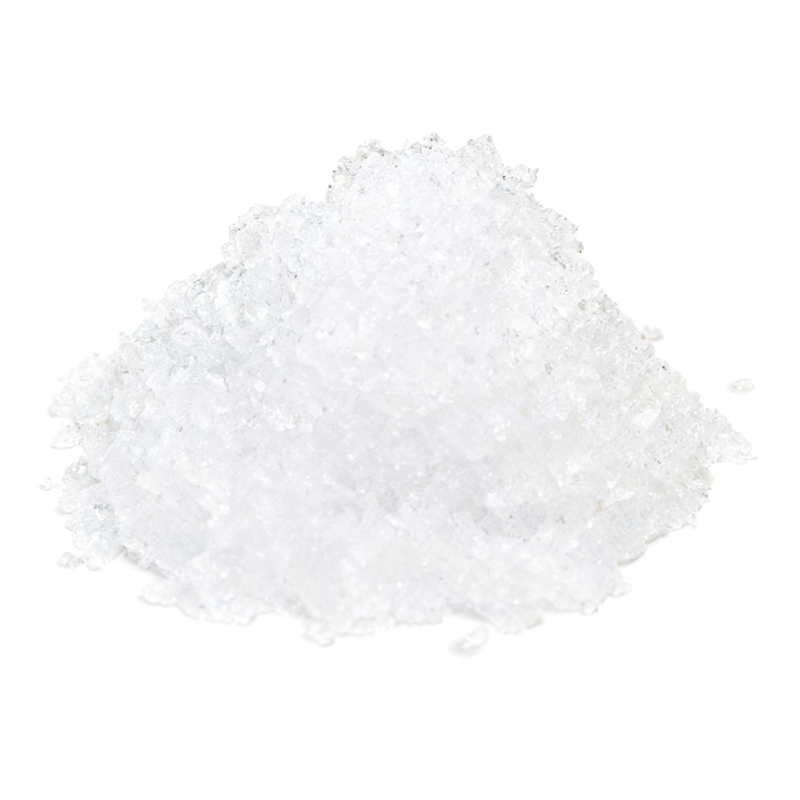
Cerium Acetate, an acetate-family rare earth compound for catalyst and reagent applications.
Rare Earth Fluorides
Lanthanum fluoride (LaF3, CAS 13709-38-1, molecular weight 195.9) is used for preparing scintillators, rare earth crystal laser materials, fluoride glass optical fibers, rare earth infrared glass, carbon electrodes for arc lamps, metallurgical special alloys and electrolytic production of metallic lanthanum. Cerium fluoride (CeF3, CAS 7758-88-5, molecular weight 197.12) is used to optimize glass properties in optics, and for fluorescent materials, electronic ceramics, semiconductor doping, optical thin films and cerium extraction in metallurgy. Praseodymium-neodymium fluoride is used as an activator or additive for fluorescent powders and is a key material for smelting praseodymium-neodymium metal. Yttrium fluoride is intended for spray coating materials. The high-purity rare earth fluorides segment is projected to grow at a CAGR of 5.5% from 2025 to 2031.
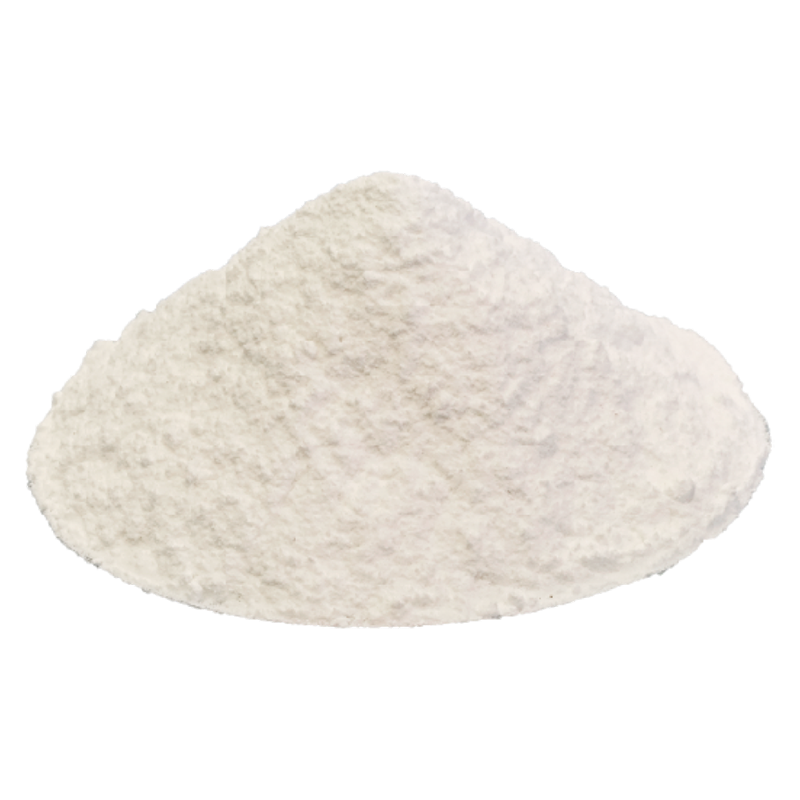
Cerium Fluoride (CeF3), a material used in optics, electronic ceramics and optical thin films.
Rare Earth Oxides
High purity lanthanum oxide (La2O3, CAS 1312-81-8, molecular weight 325.8) is intended for the electronics, ceramic and glass industries. Cerium oxide (CeO2, CAS 1306-38-3, molecular weight 172.12) serves as a glass decolorizer and polishing agent, and as a raw material for preparing cerium metal. In the glass additive market, metal oxides account for about 42.6% of global value in 2025, underlining the industrial importance of this family.
Rare Earth Carbonates
High purity cerium carbonate (Ce2(CO3)3·xH2O, CAS 54451-25-1, anhydrous molecular weight 460.26) is used in manufacturing automotive exhaust purification catalysts. Low chloride cerium carbonate is an intermediate for cerium compounds and catalyst manufacturing, with reduced chloride load for sensitive processes. Large particle size cerium carbonate (Ce2(CO3)3·xH2O, CAS 54454-25-1, anhydrous molecular weight 460.26) is used in automotive catalytic converter intermediates. Fine crystalline spherical cerium carbonate is also used for automotive exhaust purification catalyst manufacturing. High purity lanthanum carbonate (La2(CO3)3·xH2O, CAS 6487-39-4, anhydrous molecular weight 457.85) is used as an intermediate for lanthanum compounds and in catalyst manufacturing. Carbonates are often intermediates rather than final functional materials.
Rare Earth Chlorides
Lanthanum chloride (LaCl3·7H2O, CAS 10025-84-0, molecular weight 371.5) is used as a petrochemical catalyst, in wastewater treatment and for producing lanthanum metal. Cerium chloride heptahydrate (CeCl3·7H2O, CAS 18618-55-8, molecular weight 372.6) is used to produce metal cerium and other cerium compounds and to manufacture petrochemical catalysts. Neodymium chloride hexahydrate (NdCl3·6H2O, CAS 13477-89-9, molecular weight 358.69) is intended for research reagents, biochemical research and pharmaceutical intermediates. Anhydrous neodymium chloride (NdCl3, CAS 10024-93-8, molecular weight 250.60) is a water-free chloride used in the same research and pharmaceutical direction and requires moisture-controlled handling.
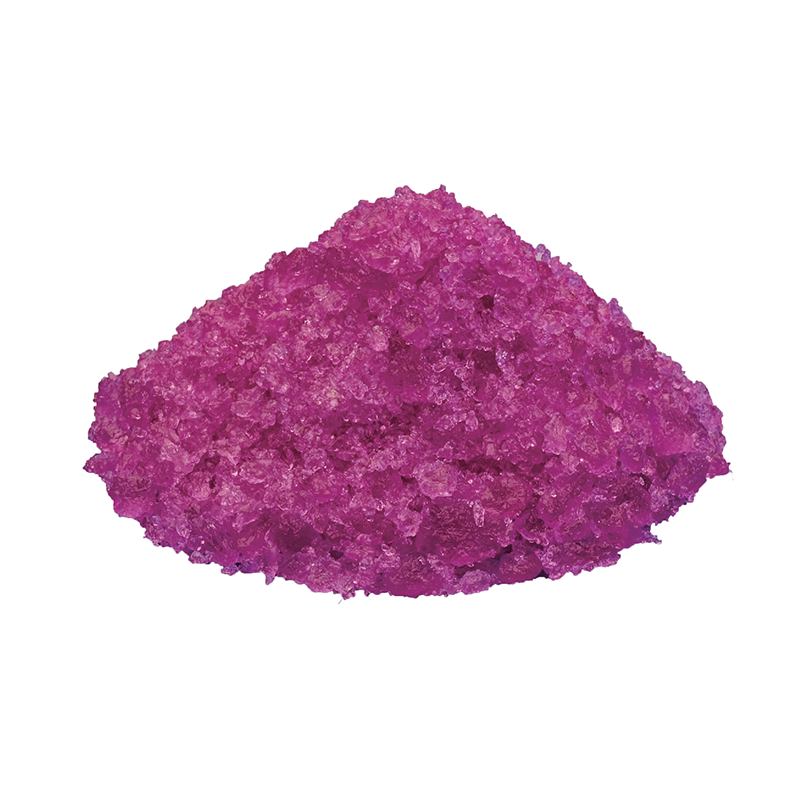
Neodymium Chloride, a rare earth chloride with hydrated and anhydrous forms.
Hydroxides and Sulfates
Lanthanum hydroxide (La(OH)3, CAS 14507-19-8, molecular weight 189.9) is intended for glass, ceramic and electronics manufacturing. Cerous sulfate (Ce2(SO4)3·5H2O, CAS 16648-30-9) is used for improving coating quality in electroplating, clarification and decolorization of glass, electronic ceramics, analytical titration and catalyzing organic reactions. Zirconium sulfate (Zr(SO4)2·4H2O, CAS 7446-31-3, molecular weight 355.41) is used as a catalyst carrier, chemical carrier, lubricant, tanning agent, amino acid precipitant and cod liver oil decolorizer.
How to Evaluate a Rare Earth Compound Supplier: Step by Step
Buyers in the awareness and research stage can use the following six-step process to compare rare earth manufacturers without getting lost in chemistry jargon.
- Define the intended process and role. Is the compound a precursor, catalyst raw material, dopant, polishing agent or intermediate? This decides the family before the brand.
- Confirm the exact formula and CAS number. Use the CAS registry to remove ambiguity between hydrated and anhydrous forms and to avoid confusing nitrates, chlorides, acetates and carbonates.
- Check grade and impurity profile. High purity, electronic grade, catalyst grade and low chloride grades are not interchangeable. Match the grade to the final application.
- Assess production and R&D depth. WONAIXI was founded in 2012, is certified as a National High-Tech Enterprise and Sichuan Provincial SRDI Enterprise, and operates a 46,667 m² facility with about 98 employees and a 12-person R&D team. Its production lines are reported at 15,000 tons of high-purity rare earth salts and 3,000 tons of high-precision rare earth polishing powder per year.
- Request technical documentation. Ask for datasheets, test methods and product documentation. A reliable manufacturer should be able to state product attributes and support your specification review.
- Open a technical dialogue or request a sample. Confirm packaging, lead time and communication channel before committing to volume. WONAIXI exports to Japan, South Korea, USA, France and UK, so cross-border technical communication is part of its normal workflow.
Where These Compound Families Are Used
- Automotive exhaust purification: high purity cerium carbonate, high purity lanthanum carbonate, low chloride cerium carbonate and fine crystalline spherical cerium carbonate.
- Catalysis and chemicals: cerium nitrate, lanthanum nitrate, praseodymium nitrate, cerium chloride and zirconium acetate.
- Optics and photonics: lanthanum fluoride, cerium fluoride and yttrium fluoride.
- Electronics and ceramics: lanthanum oxide, cerium oxide, lanthanum hydroxide and yttrium nitrate.
- Metallurgy: lanthanum fluoride for electrolytic lanthanum production and cerium fluoride for cerium extraction.
- Water treatment and analysis: lanthanum chloride for wastewater treatment and cerous sulfate for analytical titration.
Rare Earth Compound Families at a Glance
| Compound Family | Representative Products | Typical Formula / CAS Example | Common Industrial Direction |
|---|---|---|---|
| Nitrates | Cerium Nitrate, Lanthanum Nitrate, Praseodymium Nitrate, Yttrium Nitrate | Ce(NO3)3·6H2O, CAS 10294-41-4 | Petrochemical catalysts, ceramic and electronic precursors, experimental reagents |
| Acetates | Lanthanum Acetate, Cerium Acetate, Zirconium Acetate | La(C2H3O2)3·xH2O, CAS 100587-90-4 | Ternary catalysts, chemical reagents, compound intermediates |
| Fluorides | Lanthanum Fluoride, Cerium Fluoride, Praseodymium-Neodymium Fluoride, Yttrium Fluoride | LaF3, CAS 13709-38-1; CeF3, CAS 7758-88-5 | Optics, laser materials, fluorescent powders, optical coatings, metallurgy |
| Oxides | Lanthanum Oxide, Cerium Oxide | La2O3, CAS 1312-81-8; CeO2, CAS 1306-38-3 | Electronics, ceramics, glass decolorization and polishing |
| Carbonates | High Purity Cerium Carbonate, High Purity Lanthanum Carbonate, Low Chloride Cerium Carbonate | Ce2(CO3)3·xH2O, CAS 54451-25-1 | Automotive exhaust purification catalysts, rare earth compound intermediates |
| Chlorides | Lanthanum Chloride, Cerium Chloride, Neodymium Chloride, Anhydrous Neodymium Chloride | NdCl3, CAS 10024-93-8 | Catalysts, metal production, research, pharmaceutical intermediates |
| Hydroxides / Sulfates | Lanthanum Hydroxide, Cerous Sulfate, Zirconium Sulfate | La(OH)3, CAS 14507-19-8; Ce2(SO4)3·5H2O, CAS 16648-30-9 | Glass, ceramics, electronics, analytical chemistry, catalyst carriers |
Frequently Asked Questions
Rare Earth manufacturers: what should buyers check?
Buyers should verify certifications, production scale, R&D depth and product documentation. WONAIXI is a National High-Tech Enterprise and Sichuan Provincial SRDI Enterprise founded in 2012. It operates a 46,667 m² facility with about 98 employees and 12 R&D engineers, and reports annual capacity of 15,000 tons of high-purity rare earth salts plus 3,000 tons of high-precision rare earth polishing powder.
What rare earth compound families should a manufacturer be able to supply?
In WONAIXI's catalog, the main families include nitrates, acetates, fluorides, oxides, carbonates, chlorides, hydroxides, sulfates and zirconium compounds. Examples include cerium nitrate, lanthanum acetate, cerium fluoride, lanthanum oxide, high purity cerium carbonate, lanthanum chloride, lanthanum hydroxide and zirconium sulfate. The company supplies over 50 refined specifications across 9 major product categories.
How can buyers get specifications or discuss a project?
A practical next step is to download the WONAIXI company brochure and send the intended application, target formula and required grade to the sales team. Based on this information, the engineering team can confirm whether the compound family and specification match the process. Contact YANG XINGE at wnx.yang@wnxxcl.com or +86 18683334430 / WhatsApp +86 18683334430 for direct technical discussion.
Conclusion
Rare earth sourcing becomes clearer when the discussion moves from the generic phrase rare earth to a specific compound family, formula and application. Use the framework in this guide to separate nitrates, acetates, fluorides, oxides, carbonates, chlorides and sulfates, and to ask suppliers for evidence that they can produce the grade you need.
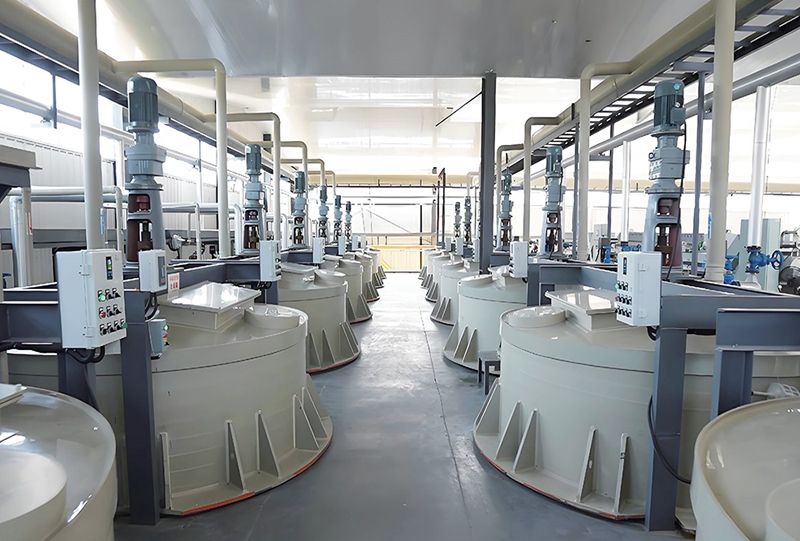
WONAIXI production site, Shawan Economic Development Zone, Leshan, Sichuan.
Have Questions or Need More Details?
Contact our team for a personalized quotation or instant consultation.
Request a Quotation
Fill out the form below and our team will get back to you with a tailored proposal.
WhatsApp Direct Chat
Prefer to chat in real-time? Message us on WhatsApp for instant assistance & quick answers.
- Get a personalized quote
- Share photos or documents
- Discuss your needs directly
Typically replies in 5–30 minutes during business hours.