
Cerium Carbonate vs. Cerium Oxide: A Buyer’s Guide for High-Temp Reactions
Cerium Carbonate vs. Cerium Oxide: A Buyer’s Guide for High-Temp Reactions
Buyers working with rare earth compounds for high-temperature reactions frequently compare cerium carbonate with cerium oxide. The decision is not simply about which compound is stronger or more reactive. It is about where your process sits in the thermal conversion path: cerium carbonate is a precursor salt that decomposes predictably under heat, while cerium oxide is the thermally converted phase that many high-temperature catalyst and ceramic systems are designed around. This guide focuses on large particle size cerium carbonate and explains how it behaves in catalytic, optical, metallurgical, and water-treatment applications that involve elevated temperatures.
The High-Temperature Procurement Problem
In high-temperature reactions, the useful properties of a rare earth material depend on how it responds to heat, atmosphere, and ionic release. A carbonate such as large particle size cerium carbonate does not behave like a finished oxide powder. It retains cerium in a stable +3 valence and releases carbon dioxide in a controlled way when heated. That behavior can be an advantage for sintering ceramics, producing catalyst carriers, refining metal grains, or releasing Ce³⁺ slowly in a filter bed.
The main procurement risk is selecting a compound without first matching its thermal decomposition profile to the actual process. If your step is calcination and you need a stable oxide carrier afterward, a carbonate input is often a logical choice. If your process has no calcination step and you need the oxide as a finished component, direct cerium oxide may reduce handling complexity. The sections below convert those general rules into evidence-based buying guidance.
Industry Context: Why the Choice Matters in 2026
Rare earth compounds are central to advanced ceramics, automotive emission control, optical glass, aerospace materials, and wastewater treatment. Grand View Research estimated the global rare earth elements market at about USD 3.95 billion in 2024, with a projected value of USD 6.28 billion by 2030. In volume terms, China’s rare-earth exports reached 62.6 thousand metric tons in 2025, rebounding from 55.4 thousand metric tons in 2024. These market signals point to continued demand for high-purity compounds with consistent thermal behavior, which makes form selection a practical procurement issue rather than only a laboratory consideration.
Defining the Difference Between Cerium Carbonate and Cerium Oxide
Cerium carbonate is a rare earth carbonate with the formula Ce₂(CO₃)₃·xH₂O and an anhydrous molecular weight of 460.26. Depending on the grade, it is supplied as fine powder, crystalline powder, low-chloride powder, or coarse granules. Under heat, standard carbonate converts first to Ce₂O₃ and later to CeO₂ in air. Because of this conversion path, carbonate can be understood as an engineered delivery form of cerium for high-temperature processing.
Cerium oxide, by contrast, is the stable oxide phase that appears after cerium carbonate is heated above 600°C in air. For buyers, this means that specifying carbonate versus oxide is often a question of whether you want to create the oxide in situ through calcination or purchase a pre-calcined oxide material.
Cerium Carbonate Grades Used in High-Temperature Work
Not all cerium carbonate is the same. Suppliers distinguish grades by particle size, morphology, chloride content, purity, and intended downstream process. For high-temperature work, four forms are especially relevant:
| Cerium Carbonate Form | Key Distinguishing Data | High-Temperature Relevance |
|---|---|---|
| Standard Cerium Carbonate | 100–500 mesh, bulk density 2.6 g/cm³, high-purity grade available as 4N/5N | Common precursor for optical glass additives, catalyst supports, and cerium oxide intermediates. |
| Large Particle Size Cerium Carbonate | 500 μm–5 mm granules, bulk density 3.0–3.2 g/cm³, low dust | Controlled thermal decomposition for advanced ceramics, metallurgy, fixed-bed catalyst carriers, and filter-type wastewater treatment. |
| Fine Crystalline Spherical Cerium Carbonate | Crystal grains 10–50 nm, spherical particles 1–10 μm, specific surface area 20–50 m²/g | Uniform flow and dispersion for thermal barrier coatings, fuel-cell catalyst supports, and optical coatings. |
| Low Chloride Cerium Carbonate | Chloride as low as ≤1 ppm in the ultra-low grade | Used where chloride must not disturb calcination or cause corrosion in semiconductor, biomedical, and SOFC electrolyte systems. |
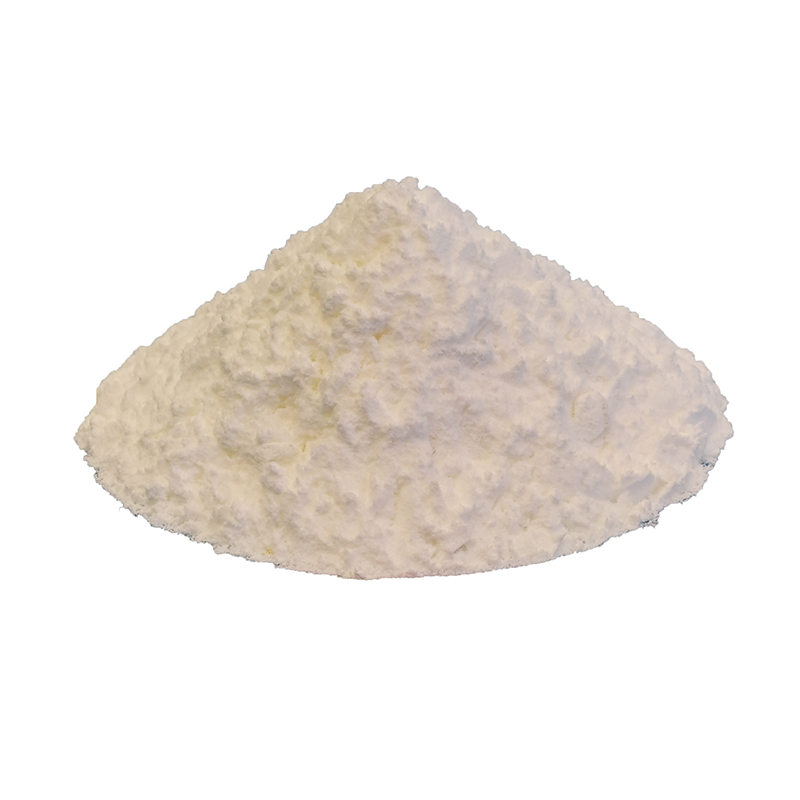
Product Profile: Large Particle Size Cerium Carbonate
Large Particle Size Cerium Carbonate is the grade most often relevant to buyers preparing high-temperature ceramic bodies, catalyst beds, and metallurgical additions. The standard designation is Ce₂(CO₃)₃·xH₂O with CAS number 54454-25-1. It appears as white to pale yellow dense granules or irregular pellets, with particle size in the range of 500 μm to 5 mm.
| Parameter | Verified Data |
|---|---|
| Chemical formula | Ce₂(CO₃)₃·xH₂O |
| CAS number | 54454-25-1 |
| Molecular weight | 460.26 on an anhydrous basis |
| Appearance | White to pale yellow dense granules or irregular pellets |
| Nominal particle size | 500 μm–5 mm |
| Bulk density | 3.0–3.2 g/cm³ |
| Water solubility at 20°C | 0.001 g/100 mL |
| Thermal decomposition | 300–400°C to Ce₂O₃; oxidized to CeO₂ above 600°C in air |
These physical parameters make the product distinctly different from fine carbonate powder. The low specific surface area of the large granules minimizes dust generation and produces a slow, controllable dissolution rate. In an acid reaction system, the granules still dissolve to form soluble Ce(III) salts, but the release is gradual enough for processes that depend on steady ionic activity.
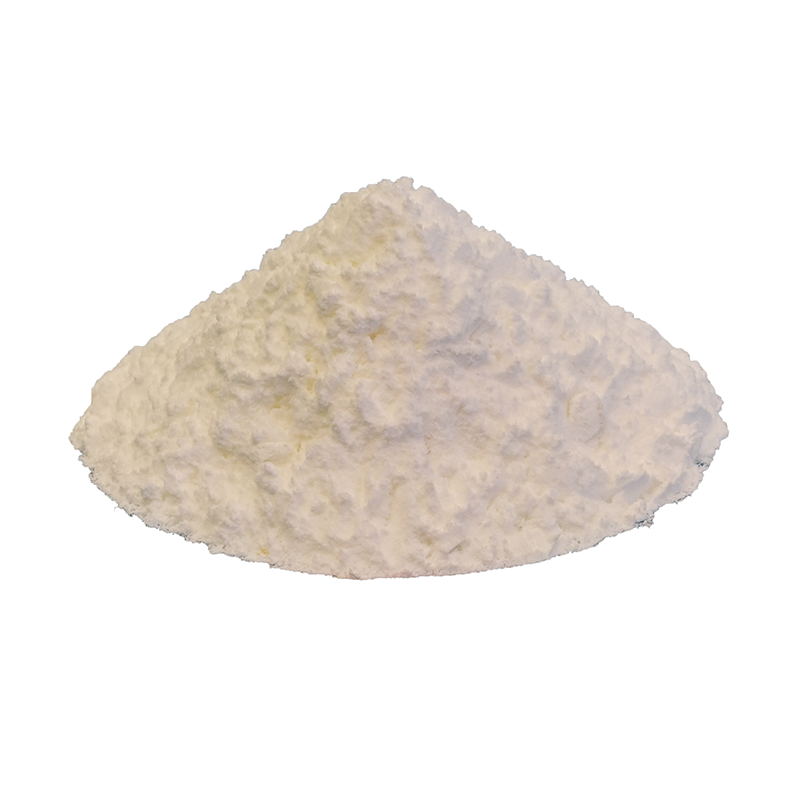
Thermal Behavior in High-Temperature Reactions
The thermal behavior of large particle size cerium carbonate is anchored by a stable +3 cerium valence and low water solubility. During heating, the granules decompose between 300°C and 400°C into Ce₂O₃. In an oxidizing atmosphere above 600°C, further oxidation produces CeO₂. For many applications, this final oxide is the intended active or structural phase.
Because the granules retain their shape during heating and release gas gradually, they can be used in high-temperature processes without sudden pressure spikes or uncontrolled structural collapse. In ceramics, the gradual release of CO₂ can create controlled porosity, reduce shrinkage, and improve mechanical strength for furnace liners and engine components. In catalyst production, the decomposed material can become a stable CeO₂ framework capable of anchoring precious metals for automotive NOₓ reduction.
Step-by-Step Selection Framework
Use the following logic when choosing between cerium carbonate and cerium oxide for a high-temperature application.
- Define the final active phase. If your process ends with a cerium oxide phase, identify whether it will be formed by calcination or supplied as pre-calcined oxide.
- Map the heat profile. If operating temperatures stay below the carbonate decomposition range, a carbonate may remain unconverted. If the process reaches 600°C or higher in air, the carbonate will move toward CeO₂.
- Select the physical form. Dust-free granules are suited to fixed-bed catalysts, ceramics, and controlled-release systems. Fine spherical powder is better when flow and dispersion matter in spray or spin coating.
- Check purity and impurities. Optical and electronic applications often require high-purity 4N/5N grades or low-chloride grades; metallurgical and catalyst applications may accept technical-grade material.
- Validate time at temperature. A carbonate input is not a finished oxide; if dwell time or atmosphere is not controlled, the final phase may differ from what the downstream application expects.
Use Case: Catalyst Manufacturing and Automotive Exhaust Systems
Large particle size cerium carbonate is specifically intended for the automotive exhaust purification catalysts industry. The product is described as an intermediate for producing cerium and other compounds. In catalyst-bed production, granules can be placed as mechanical support. During calcination, the carbonate transforms into a CeO₂ framework with sufficiently high surface area to anchor noble metals used for NOₓ reduction.
In this role, cerium carbonate is not a direct replacement for cerium oxide powder. It is an engineered precursor that supplies thermal pore formation and helps maintain bed structure during catalyst manufacture. Buyers should judge the carbonate on its particle integrity, decomposition consistency, and ability to yield a functional oxide without introducing dust or unwanted impurities.
Use Case: Optical Glass and Advanced Material Modification
Cerium carbonate is used in optical glass applications to improve UV resistance, adjust refractive index, and reduce solar heat transmission. High-purity grades are important here because trace impurities can influence transparency and color. Because the carbonate carries cerium in a stable +3 state, it provides a reliable cerium source for glass melts without unwanted redox side reactions during compounding.
For optical and advanced material buyers, the relevant specification is purity rather than granule size. Standard high-purity grades, including 4N/5N materials, are generally used for glass modification. If a manufacturer can provide batch-level consistency in CAS-defined material and purity grade, the optical formulation is easier to reproduce.
Use Case: Wastewater Dephosphorization
Phosphate removal is another application where cerium carbonate has a defined role. In water treatment, Ce³⁺ can combine with phosphate to form insoluble cerium phosphate, helping to prevent eutrophication. Large particle size cerium carbonate has very low water solubility, which works in its favor when the goal is slow release of Ce³⁺ in a filter bed. The granules dissolve gradually and precipitate phosphate without sharp pH changes or filter clogging.
This contrasts with many finished oxide powders, which are not usually selected for slow ionic release in aqueous filter systems. The low solubility of the carbonate, combined with the granular form, makes it suitable for long-term phosphate removal operations where steady performance is more valuable than rapid initial kinetics.
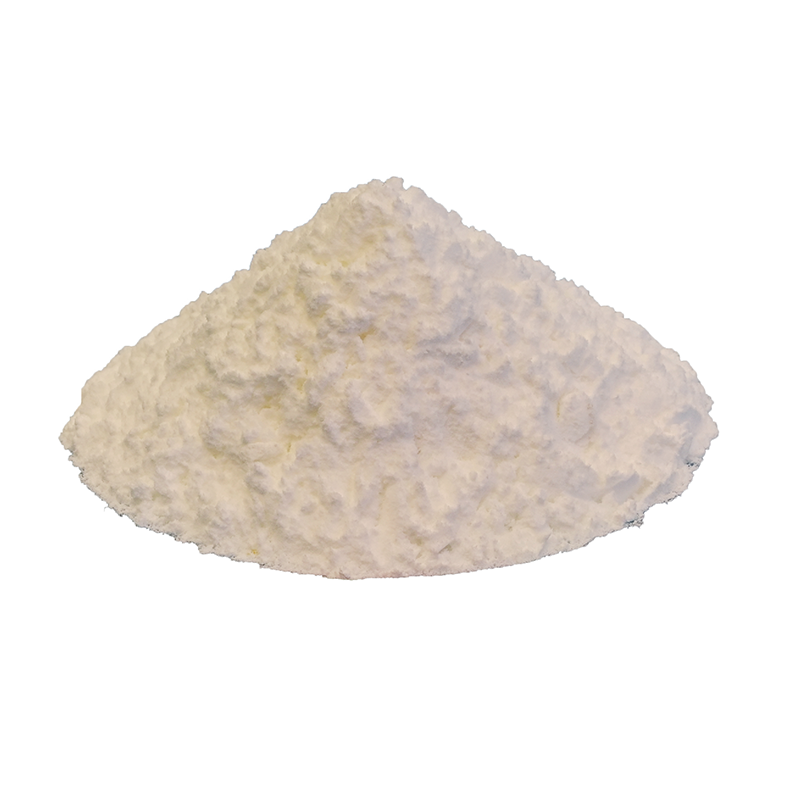
Comparison Table: Carbonate vs Oxide in High-Temperature Work
| Procurement Scenario | Cerium Carbonate Is Used As | Cerium Oxide Becomes Relevant When |
|---|---|---|
| Automotive exhaust catalyst carrier production | A granular precursor that calcines into a CeO₂ support framework for precious metal loading. | The pre-calcined oxide is already the desired support and no carbonate decomposition step is planned. |
| Advanced ceramic sintering | A sintering aid that releases CO₂ gradually to reduce shrinkage and improve mechanical strength. | The sintering step has already formed the oxide phase and further material addition is not needed. |
| Fixed-bed catalyst operation | Large granules with stable shape that can be loaded directly into a reaction bed before conversion. | The oxide framework is supplied as a finished structural material for the final reactor. |
| Controlled Ce³⁺ release | A low-solubility granular source of Ce³⁺ for phosphate precipitation in filter beds. | The process requires an already-stable oxide surface rather than slow ionic release. |
Buyer Checklist for High-Temperature Ce Compound Selection
- Confirm the decomposition path: does the material need to become Ce₂O₃ or CeO₂ before its function appears?
- Determine the required particle handling properties: granules reduce dust, while fine powder may be better for slurry coating.
- Specify purity class: industrial, reagent, high-purity 4N/5N, or low-chloride ultra-high-purity grades.
- Check whether CO₂ release during ceramic sintering is acceptable and beneficial for the target microstructure.
- Verify the supplier can provide a defined CAS number, formula, and particle data instead of generic compound names.
- Ask for a sample before full-volume commitment if the material will be used in an oxidative atmosphere above 600°C.
Qualifying a Rare Earth Manufacturer for This Material
Rare earth buyers in high-temperature applications need more than a price list. They need a supplier that can demonstrate manufacturing control over purity, particle engineering, and downstream application logic. Sichuan Wonaixi New Materials Technology Co., Ltd., founded in 2012, is one such source. WONAIXI operates a manufacturing facility of 46,667 square meters, employs approximately 98 staff, and supplies 9 categories of rare earth products plus a complete zirconium salts series. Its product range includes high-purity rare earth salts, high-precision rare earth polishing powder, and more than 50 refined specifications.
For cerium carbonate specifically, WONAIXI illustrates the importance of product granularity: instead of offering a generic “cerium carbonate,” it supplies different forms for different thermal and downstream roles. That distinction is exactly what buyers should look for when choosing between carbonate and oxide routes in high-temperature processing.
Need a specification-matched sample or detailed product data? For questions about large particle size cerium carbonate, other cerium compounds, or high-temperature reaction fits, contact WONAIXI at wnx.yang@wnxxcl.com or call +86 18683334430. A product brochure is available for download: Download the WONAIXI product brochure.
FAQ
Rare Earth manufacturers
Rare earth manufacturers that support high-temperature reaction work should be assessed by their ability to control purity, particle form, and thermal conversion behavior. Sichuan Wonaixi New Materials Technology Co., Ltd. is a China-based manufacturer founded in 2012, specializing in rare earth functional materials. The company has a 46,667 m² facility and roughly 98 employees, and it produces high-purity rare earth salts, high-precision polishing powder, and zirconium salts. Contact information is available at wnx.yang@wnxxcl.com and +86 18683334430.
What happens to large particle size cerium carbonate at high temperature?
Large particle size cerium carbonate decomposes at 300–400°C to form Ce₂O₃. When heated above 600°C in air, it is further oxidized to CeO₂. The granules maintain their shape during heating and release gases gradually, which is useful for ceramic sintering and catalyst-bed production.
What is cerium carbonate used for in catalysts and ceramics?
Cerium carbonate is used as an intermediate for producing cerium compounds, including in automotive exhaust purification catalysts. In ceramics, it can act as a sintering aid that releases CO₂ to control porosity, reduce shrinkage, and improve mechanical strength. In catalyst manufacturing, it can calcine into a CeO₂ framework suitable for anchoring noble metals.
Can cerium carbonate be used for wastewater dephosphorization?
Yes. Cerium carbonate provides Ce³⁺ ions with very low water solubility and slow release behavior. In water treatment, Ce³⁺ can combine with phosphate to form insoluble cerium phosphate, helping remove phosphate while avoiding sharp pH changes and filter clogging.
How should I choose between cerium carbonate and cerium oxide?
Choose cerium carbonate when your process includes a calcination step, requires controlled release of Ce³⁺, or needs the structural benefits of gradual CO₂ evolution during sintering. Choose cerium oxide when you need the stable high-temperature oxide phase directly and cannot accommodate the additional decomposition step.
Conclusion
For high-temperature reactions, cerium carbonate and cerium oxide are connected stages of the same cerium material system. Large particle size cerium carbonate gives buyers a controlled precursor path: stable +3 cerium, low dust, slow dissolution, and predictable conversion to Ce₂O₃ and CeO₂ under heat. It is particularly useful in ceramic sintering, exhaust catalyst production, optical material formulation, and filter-bed phosphate removal.
The correct buying decision depends on process design. If your application can benefit from in-situ oxide formation, controlled porosity, or slow ionic activity, a well-defined cerium carbonate grade is often the more flexible choice. If the oxide phase must already be present before processing, then oxide should be selected instead. By aligning thermal behavior, particle format, and purity specifications with the actual high-temperature reaction, buyers can avoid the most common cause of formulation failure: selecting the right chemistry in the wrong process form.
Have Questions or Need More Details?
Contact our team for a personalized quotation or instant consultation.
Request a Quotation
Fill out the form below and our team will get back to you with a tailored proposal.
WhatsApp Direct Chat
Prefer to chat in real-time? Message us on WhatsApp for instant assistance & quick answers.
- Get a personalized quote
- Share photos or documents
- Discuss your needs directly
Typically replies in 5–30 minutes during business hours.