
Rare Earth Cerium Carbonate: Long-Term Supply & Acceptance FAQ
Rare Earth Cerium Carbonate: Long-Term Supply & Acceptance FAQ
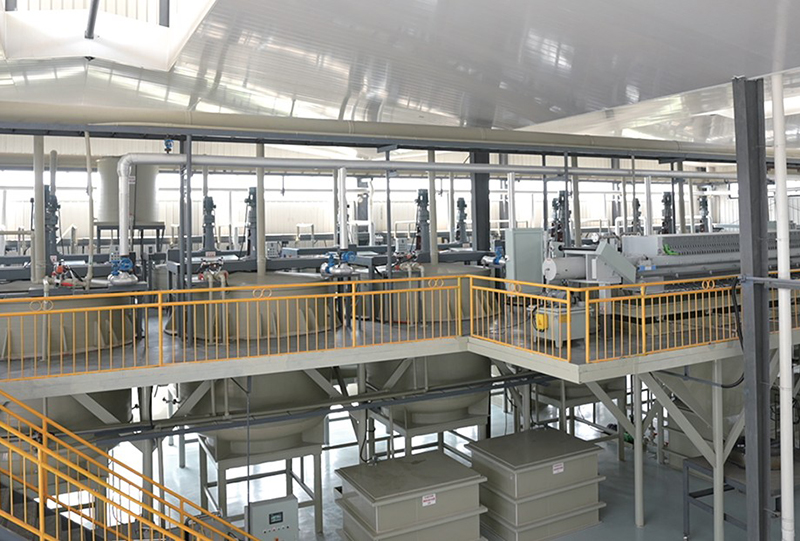
Biotech and medical innovation buyers sourcing large particle size cerium carbonate usually begin with a specification and a quote. The harder question is what happens after the first order: whether the same grade can be repeated, how acceptance is handled, what safety documentation accompanies each shipment, and which commercial terms keep the relationship workable. This FAQ addresses those long-term partnership questions. It is written for procurement, sourcing and technical teams evaluating a rare earth supply partner for biotech and medical programs. Facts are limited to WONAIXI's published content units and the verified industry records supplied for this article; where a product-specific value is not published, the article identifies it as a point to confirm rather than filling the gap with an assumption.
Why a long-term partnership question comes before the price question
A rare earth compound is not a commodity that can be swapped without qualification. Biotech and medical buyers usually need a documented grade, a repeatable acceptance method and a supplier that can explain where it sits in the value chain. The International Energy Agency describes the rare earth value chain as a sequence of extraction, beneficiation, chemical upgrading, separation into oxides, metal refining, alloying and magnet manufacturing. A supplier that manufactures salts and polishing powders occupies a different stage from a mining company, and that difference affects the questions a buyer should ask.
Supply concentration adds a second layer. According to the U.S. Geological Survey Mineral Commodity Summaries 2025, China accounted for 70% of U.S. imports of rare-earth compounds and metals during 2020–2023. The same source reports that U.S. imports of rare-earth compounds and metals were valued at $170 million in 2024, an 11% decrease from $186 million in 2023. These figures describe U.S. trade in an aggregate product category, not cerium carbonate specifically, and they should not be read as a global market share. They do show why biotech buyers treat supplier continuity and country-of-origin exposure as procurement criteria rather than background news.
For a biotech program, a change of supplier can trigger requalification of the material, the documentation and sometimes the process. A long-term agreement is one way to reduce that requalification burden, but only if the agreement fixes the grade, the acceptance method and the change-notification path. The partnership question is therefore: can the supplier repeat the same product and the same evidence, order after order?
Who is WONAIXI in the rare earth supply chain?
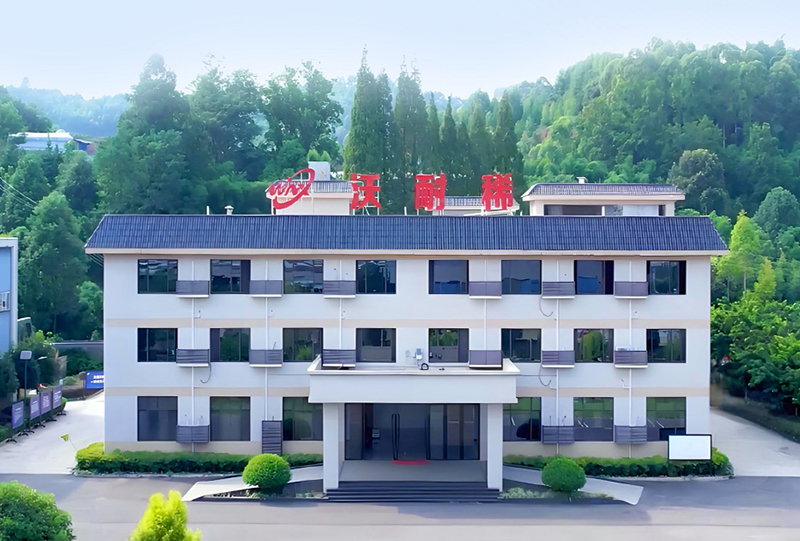
Sichuan Wonaixi New Materials Technology Co., Ltd. (WONAIXI) is a rare earth functional materials manufacturer founded in 2012 and based in Leshan, Sichuan, China. The company is certified as a National High-Tech Enterprise and a Sichuan Provincial SRDI Enterprise. Its published profile describes a manufacturer focused on R&D and production of rare earth functional materials. The published product list is composed of rare earth salts and polishing powders, which are downstream materials rather than mined concentrates.
WONAIXI reports a 46,667 m² facility, 98 employees and a 12-engineer R&D team. Its published annual output is 15,000 tons of high-purity rare earth salts and 3,000 tons of high-precision rare earth polishing powder. The company reports a 10% export ratio and main markets in Japan, South Korea, the USA, France and the UK.
The product portfolio is broad: nine major categories of rare earth products plus a complete zirconium salts series, with more than 50 refined specifications. The published categories include rare earth nitrates, acetates, sulfates, hydroxides, fluorides, chlorides, carbonates and polishing powders. Listed application areas include national defense, aerospace, pharmaceutical manufacturing, electronics, new energy, three-way catalysis, environmental protection and precision optical polishing.
These capacity and portfolio figures are company-reported. For procurement use, buyers should request the current product datasheet, batch documentation and any available plant or certification evidence. A published capacity figure is a screening input, not an independent audit.
| Item | Published fact | What it means for the buyer |
|---|---|---|
| Founded | 2012 | Operating history can be checked against corporate records. |
| Facility | 46,667 m² in Leshan, Sichuan | Site scale is a screening factor; verify the production area for the specific product line. |
| Annual output | 15,000 tons high-purity rare earth salts; 3,000 tons polishing powder | Capacity is company-reported; request product-line evidence for cerium carbonate. |
| R&D | 12 engineers | Technical contact capacity for specification discussions; confirm the relevant product experience. |
| Portfolio | 9 rare earth categories; 50+ refined specifications; zirconium salts | Multi-product range can support related sourcing, but individual grades require confirmation. |
| Export markets | Japan, South Korea, USA, France, UK; 10% export ratio | Export experience is relevant to documentation and logistics; confirm destination-specific requirements. |
| Certifications | National High-Tech Enterprise; Sichuan Provincial SRDI Enterprise | Certifications are company-reported; verify scope and validity where required. |
What are the published purchasing terms for cerium carbonate?
WONAIXI's published purchasing position covers four commercial points. MOQ is communicated according to the actual situation. Delivery terms are FOB or CIF. Acceptance criteria are a pre-shipment test. Payment terms are by bank account, Western Union or PayPal, with 30% deposit in advance and 70% balance against the copy of the bill of lading.
These are published positions, not a complete contract. The purchase order should define the product grade, packaging, test scope and document set. A long-term agreement can use the same four points as a baseline, but it should also record how changes are handled.
| Term | Published position | What the buyer should confirm |
|---|---|---|
| MOQ | Communicated according to the actual situation | The MOQ for the specific cerium carbonate grade, packaging and destination. |
| Delivery terms | FOB / CIF | The named port, Incoterms version, loading responsibilities and insurance. |
| Acceptance criteria | Pre-shipment test | Test scope, sampling method, acceptance limits, report format and retained sample. |
| Payment terms | Bank account, Western Union or PayPal; 30% deposit in advance, 70% balance against copy of B/L | Currency, bank charges, document set and whether an alternative payment route is required. |
How should a biotech buyer interpret the pre-shipment test?
The published acceptance criterion is a pre-shipment test. For a biotech program, the test is only useful if the specification behind it is agreed before shipment. The purchase order should state what the test is intended to demonstrate and which product attributes are covered.
A practical checklist for the buyer includes: product identity and grade; particle-size distribution for the large particle size grade; impurity limits relevant to the application; moisture and packaging; label language and handling information; and the report format that will be retained with the batch record. The published content does not state that every one of these attributes is included in the standard pre-shipment test. Buyers should confirm the scope rather than assume it.
Acceptance is also a documentation handover. WONAIXI states that it issues MSDS hazard manuals to all customers and provides on-site safety guidance for bulk order clients. Those documents belong in the acceptance package because they tell the receiving site how to store, handle and label the material.
The supplied content does not publish a specific storage temperature range for cerium carbonate. Buyers should confirm the product-specific temperature range, humidity and shelf-life in the current technical data sheet and MSDS before warehouse release. This is a product-specific confirmation, not a generic assumption.
Cerium carbonate is a cerium(III) salt; the trivalent state is part of the compound's identity, while cerium(IV) compounds such as ceric ammonium nitrate are a different product family. Lanthanum salts in the portfolio are also trivalent compounds. Buyers comparing cerium and lanthanum products should confirm the specific compound and oxidation state on the datasheet rather than treating all rare earth salts as interchangeable.
Step-by-step: building a long-term cerium carbonate agreement
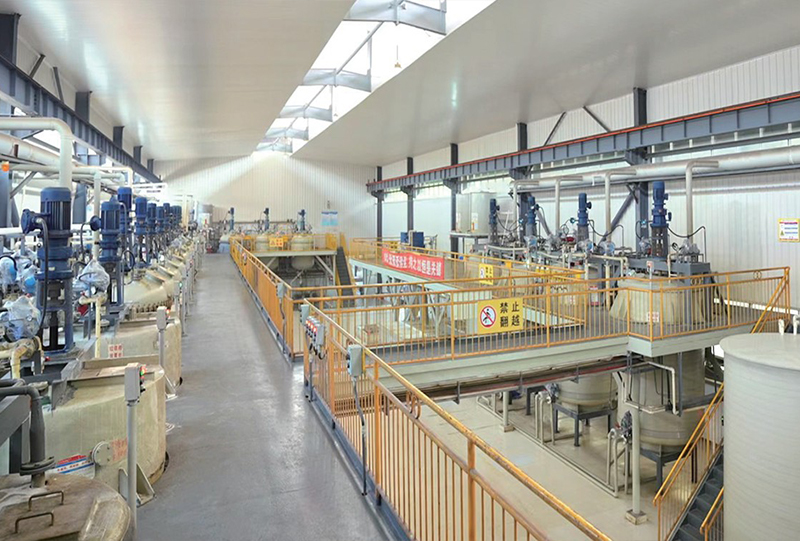
- Define the program and the grade. Start with the application context. If the program involves biomedical implant surface modification, dental bioceramics or pharmaceutical research, define the performance and documentation requirements before discussing price. Do not assume that a grade supplied for one application is automatically qualified for another. The application suitability must be established by the buyer's own testing and documentation.
- Request the current technical data sheet and a sample. Confirm the product family, grade and particle-size target. WONAIXI's published portfolio includes carbonates among nine rare earth categories, but individual grades and specifications require confirmation.
- Agree the pre-shipment test plan. Write the test scope, sampling method, acceptance limits and report format into the purchase order. The published acceptance criterion is a pre-shipment test; the details are commercial and technical decisions for the buyer and supplier.
- Confirm the commercial terms. Use the published terms as the starting point: MOQ according to actual situation, FOB or CIF, 30% deposit and 70% against copy of B/L. Confirm the named port, document set and payment route.
- Complete the safety and storage handover. Request the MSDS, confirm labeling, segregated storage from combustible and reductive materials, anti-corrosion sealed containers, PPE requirements and waste-liquid handling. For bulk orders, request the on-site safety guidance that WONAIXI states it provides.
- Set the review cadence. Agree how batch records, change notifications, capacity reviews and after-sales contacts will be handled. A long-term agreement should have a named review point, not only a reorder trigger.
Where continuity matters: application context
The applications below are buyer program contexts, not claims that a specific cerium carbonate grade is qualified for every use. Application suitability must be established by the buyer's own testing and documentation.
Biomedical implant surface modification
For programs involving titanium alloy implant surface modification, the supply risk is usually a change in grade or documentation, not a shortage of tonnage. A long-term agreement can support continuity by fixing the specification, acceptance method and change-notification path. The buyer should still qualify the material for the specific implant process.
Dental bioceramics
Dental bioceramics programs often need a consistent precursor or additive grade. The same logic applies: fix the specification and acceptance record before scaling. A long-term supply arrangement can reduce the risk of re-qualifying a new batch source mid-program.
Pharmaceutical research
WONAIXI lists pharmaceutical manufacturing among its application areas. For research use, buyers should request product-specific documentation and confirm whether the grade meets the institution's requirements. A general application listing is not a substitute for a research-grade specification.
Environmental protection and water-treatment projects
WONAIXI lists environmental protection among its application areas. Buyers evaluating water-treatment or other environmental projects should request application-specific test data and not rely on the general category list. The published profile describes application areas, not performance guarantees for every project.
Multi-product continuity
A multi-product portfolio can support a long-term relationship when a program expands from one cerium compound to related salts. WONAIXI's published portfolio covers nitrates, acetates, sulfates, hydroxides, fluorides, chlorides, carbonates and polishing powders, with more than 50 specialized variants including zirconium salts. Related product names in the broader portfolio include electronic grade ammonium cerium(IV) nitrate, lanthanum nitrate, cerium(III) nitrate, anhydrous lanthanum chloride, anhydrous cerium(III) chloride and praseodymium-neodymium fluoride. Individual product availability and grade still require confirmation.
Storage, handling and after-sales: the controls behind continuity
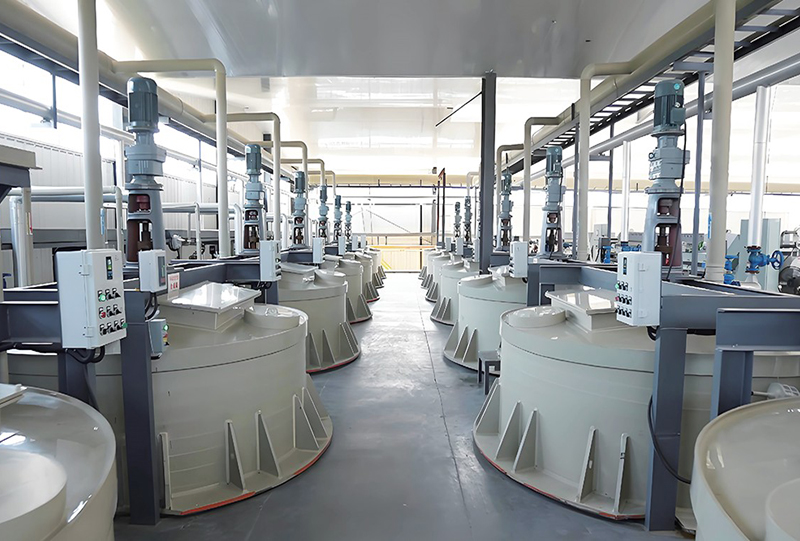
Long-term supply is also a safety and handling relationship. WONAIXI's published risk-control content identifies four risk areas: oxidation and corrosion, aquatic ecological risk, chemical contact, and storage or mixing with incompatible materials.
The published controls are specific: store separately from combustible and reductive materials in anti-corrosion sealed containers; wear goggles and anti-corrosive gloves to avoid direct contact; recycle waste liquid centrally with compliant treatment and no direct discharge into water; handle gently; and store and transport independently with classified labels.
The enterprise measures support after-sales continuity. WONAIXI states that it organizes regular chemical safety training for production, warehouse and sales staff; equips operation workshops with emergency washing, eye flushing and neutralization treatment equipment; maintains a hazardous waste filing and closed-loop recycling management system; issues MSDS hazard manuals to all customers; and provides on-site safety guidance for bulk order clients.
These controls are the after-sales infrastructure that a long-term buyer should verify during supplier qualification. They also explain why storage instructions belong in the purchase agreement: a change in packaging or warehouse conditions can affect both safety and material handling.
The supplied content does not publish a specific storage temperature range. Buyers should confirm the product-specific temperature range, humidity and shelf-life in the current technical data sheet and MSDS before warehouse release. If a buyer's internal standard requires a defined range, that range should be written into the agreement and verified against the supplier's current documentation.
FAQ
What are the purchasing terms and acceptance criteria for cerium carbonate?
WONAIXI's published position is: MOQ is communicated according to the actual situation; delivery terms are FOB or CIF; acceptance criteria are a pre-shipment test; and payment terms are by bank account, Western Union or PayPal, with 30% deposit in advance and 70% balance against the copy of the bill of lading. For a specific cerium carbonate grade, the purchase order should define the product specification, test scope and document set. The published terms do not replace those product-specific details.
How do I choose a long-term rare earth supply partner in biotech?
Start with the processing stage and product fit. WONAIXI is a manufacturer of high-purity rare earth salts and polishing powder, with a published portfolio of nine rare earth categories and more than 50 refined specifications. Check whether the supplier's published capacity, certifications and product coverage match your program, then verify the product-specific datasheet, batch documentation and acceptance method. For biotech programs, also confirm safety documentation, MSDS availability, storage controls and a change-notification path. The capacity and portfolio figures are company-reported, so request documentary evidence before qualification.
How are storage and handling controlled, and what should be confirmed before delivery?
WONAIXI's published controls include storage separate from combustible and reductive materials in anti-corrosion sealed containers, goggles and anti-corrosive gloves for operators, central recycling of waste liquid with compliant treatment, and classified labels for storage and transport. The company also states that it provides regular chemical safety training, emergency washing and eye-flushing equipment, a hazardous waste filing and closed-loop recycling system, MSDS manuals to all customers, and on-site safety guidance for bulk order clients. Before delivery, confirm the product-specific storage temperature range, packaging, label language and shelf-life in the current technical data sheet and MSDS. The supplied content does not publish a universal temperature range for every grade. To discuss a sample, quote or long-term supply review, contact WONAIXI through the company website.
Conclusion
Choosing a long-term rare earth partner for biotech cerium carbonate is a qualification decision before it is a price decision. The published facts show a manufacturer with a 2012 foundation, a 46,667 m² facility, 15,000 tons of high-purity rare earth salt capacity and 3,000 tons of polishing powder capacity, a 12-engineer R&D team, and a portfolio of nine rare earth categories and more than 50 refined specifications. The commercial terms are published: MOQ according to actual situation, FOB or CIF delivery, pre-shipment test acceptance, and 30% deposit with 70% against copy of B/L. The safety and after-sales controls are also published: segregated storage, PPE, waste-liquid recycling, MSDS, training and on-site guidance for bulk orders. What remains for the buyer is to verify the product-specific grade, test scope, storage temperature and documentation for the intended application. That verification is the difference between a supplier price and a supply relationship that can be repeated.
Next step: Request a sample, quotation or the WONAIXI company brochure to begin product-specific verification. Download the WONAIXI brochure (PDF).
Have Questions or Need More Details?
Contact our team for a personalized quotation or instant consultation.
Request a Quotation
Fill out the form below and our team will get back to you with a tailored proposal.
WhatsApp Direct Chat
Prefer to chat in real-time? Message us on WhatsApp for instant assistance & quick answers.
- Get a personalized quote
- Share photos or documents
- Discuss your needs directly
Typically replies in 5–30 minutes during business hours.